
Share


The Timeless Vedic Legacy of Pran Pratishtha
Written by Pandit Kapil Trivedi
Last updated: Nov 24, 2025 • 4 min read
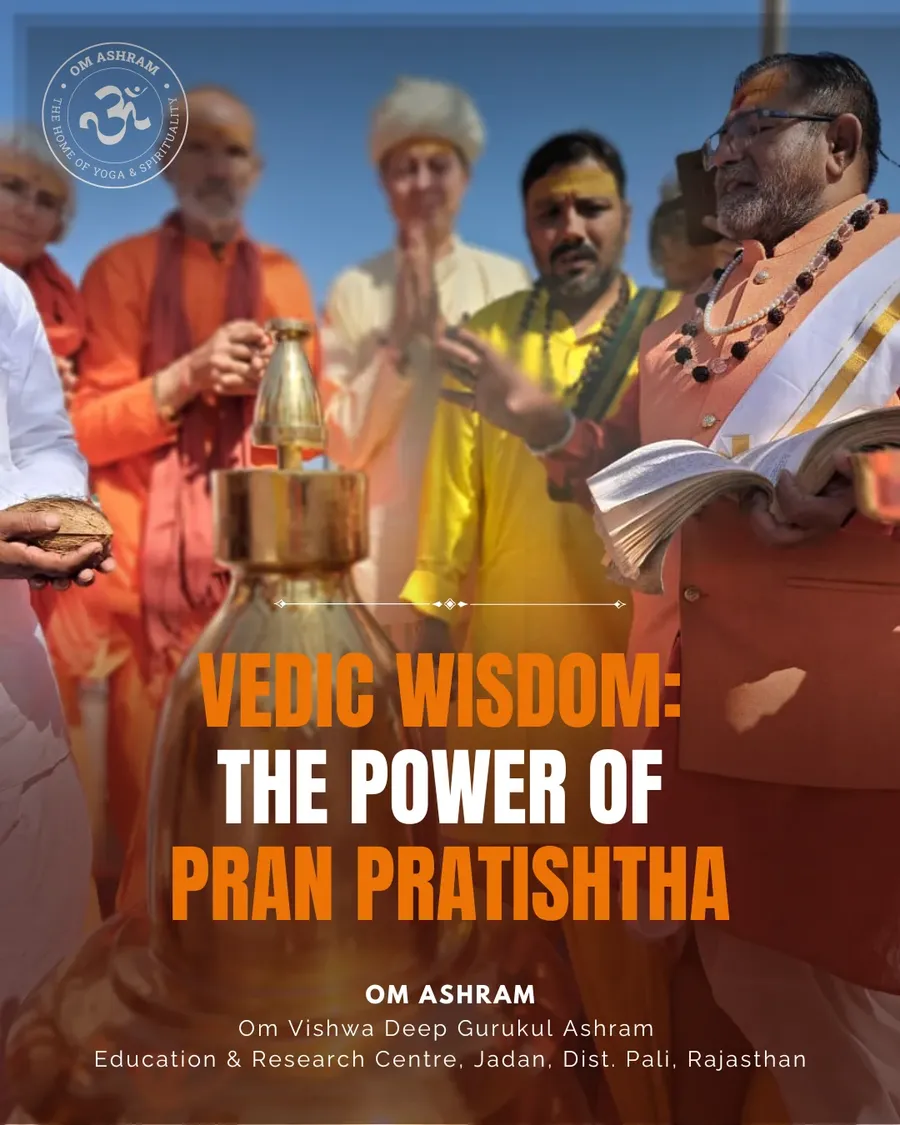
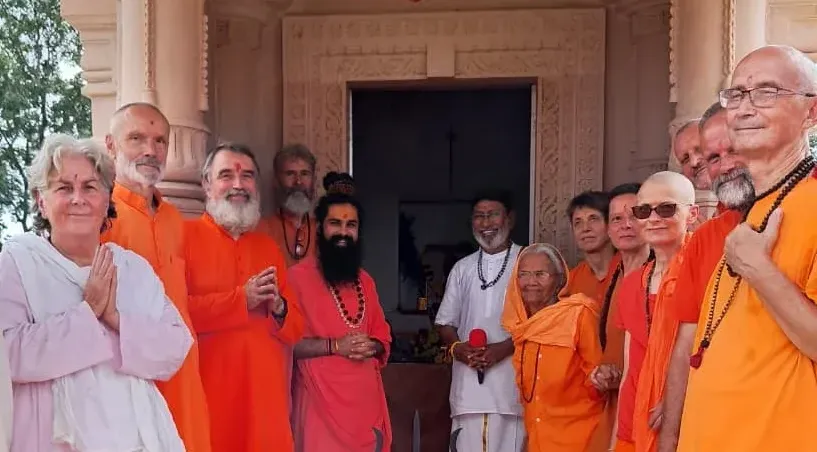
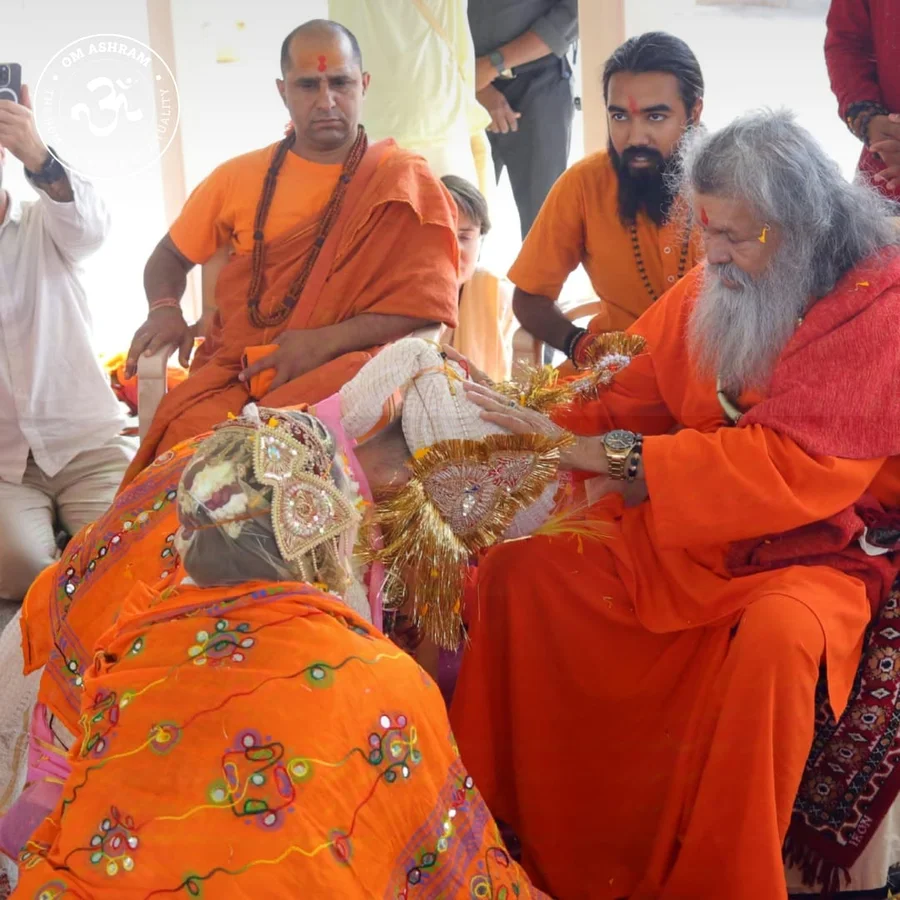
The Pran Pratishtha ceremony for Lord Shiva and the Maheshwar Mahadev Mandir in Rupawas commenced on November 7, 2025, during the auspicious Abhijit Muhurta (12:30 PM to 1:15 PM).
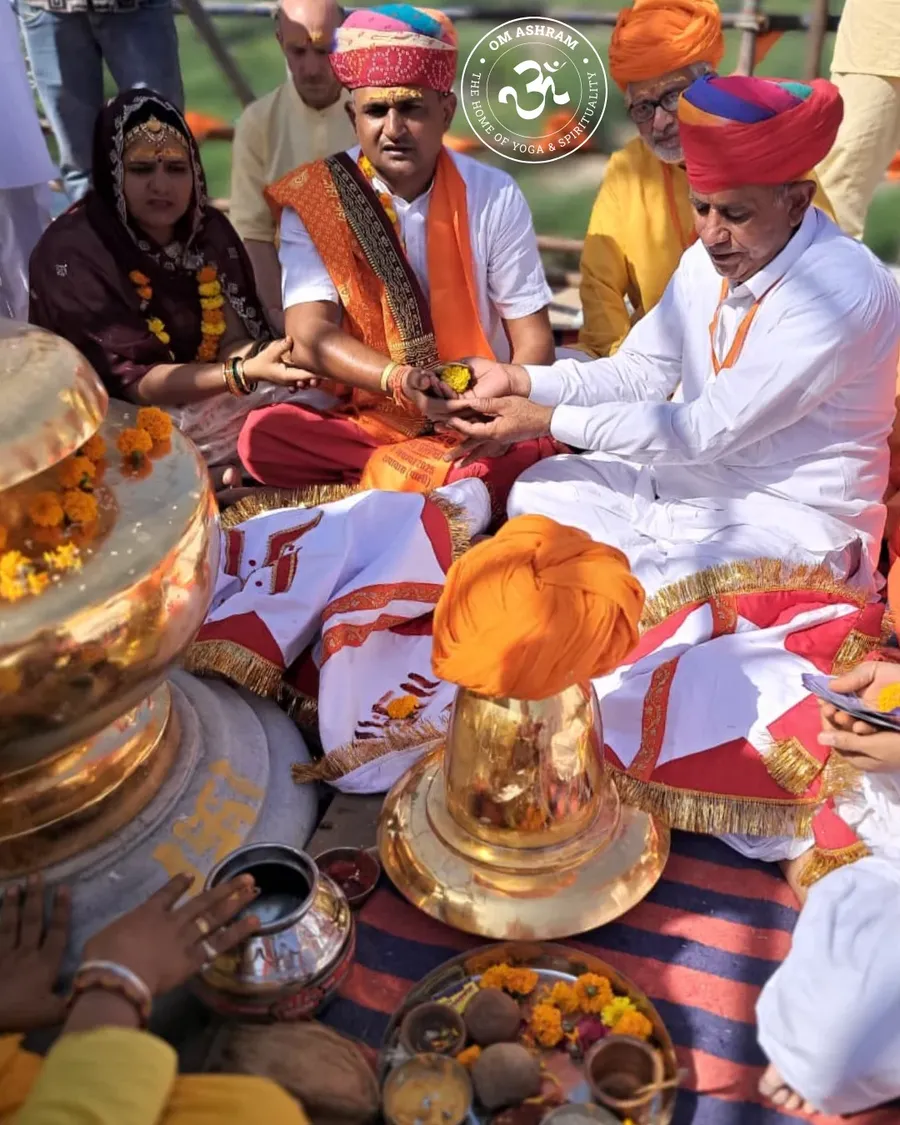
These final, spiritually charged moments lasted approximately 15 minutes, marking the culmination of an incredibly rich three-day spiritual festival.
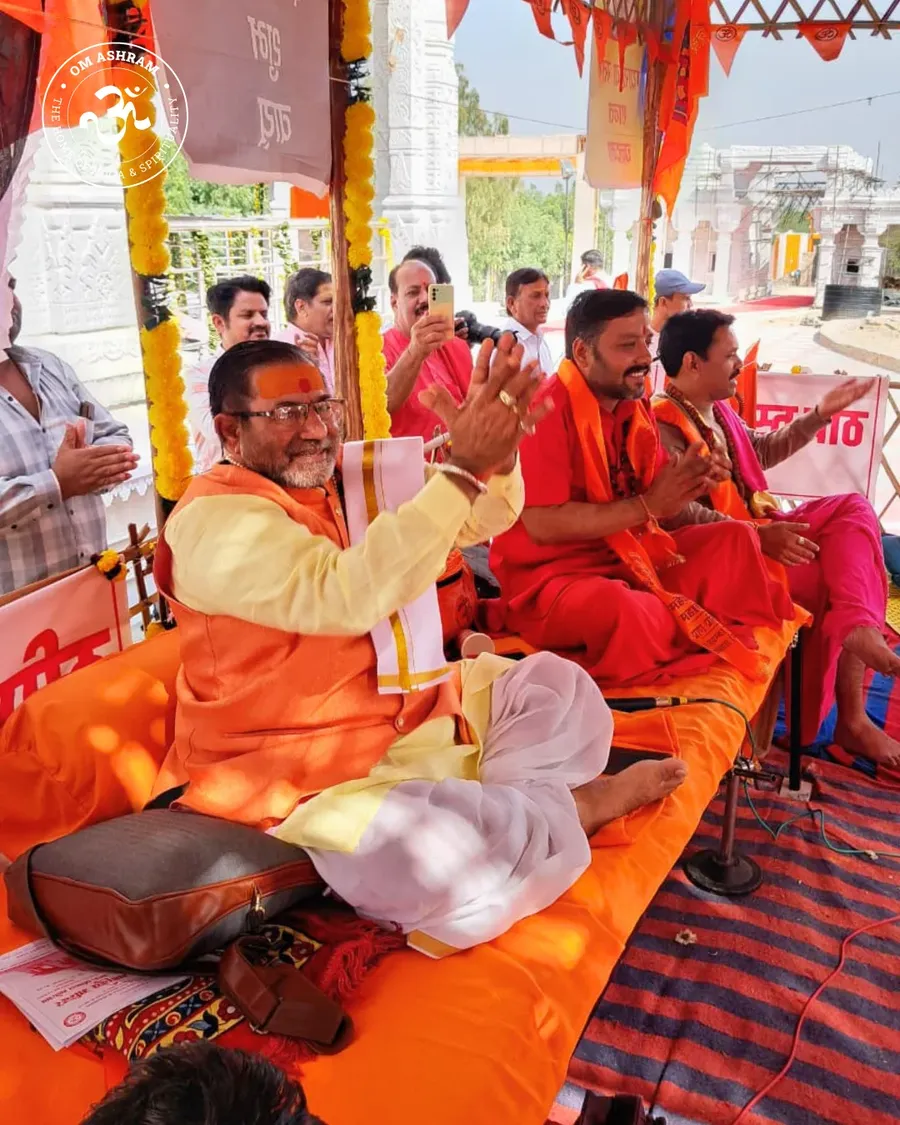
This profound event unfolded under the revered guidance of many esteemed saints. This article explores the meaning of Pran Pratishtha, the purpose behind temple construction, and the essential role of consecration.
Why Temples and Consecration?
In the current Kali Yuga, often referred to as the Iron Age of our civilization, human consciousness predominantly leans towards materialism. People often lose sight of their fundamental spiritual nature, necessitating reminders of life‘s deeper truths.
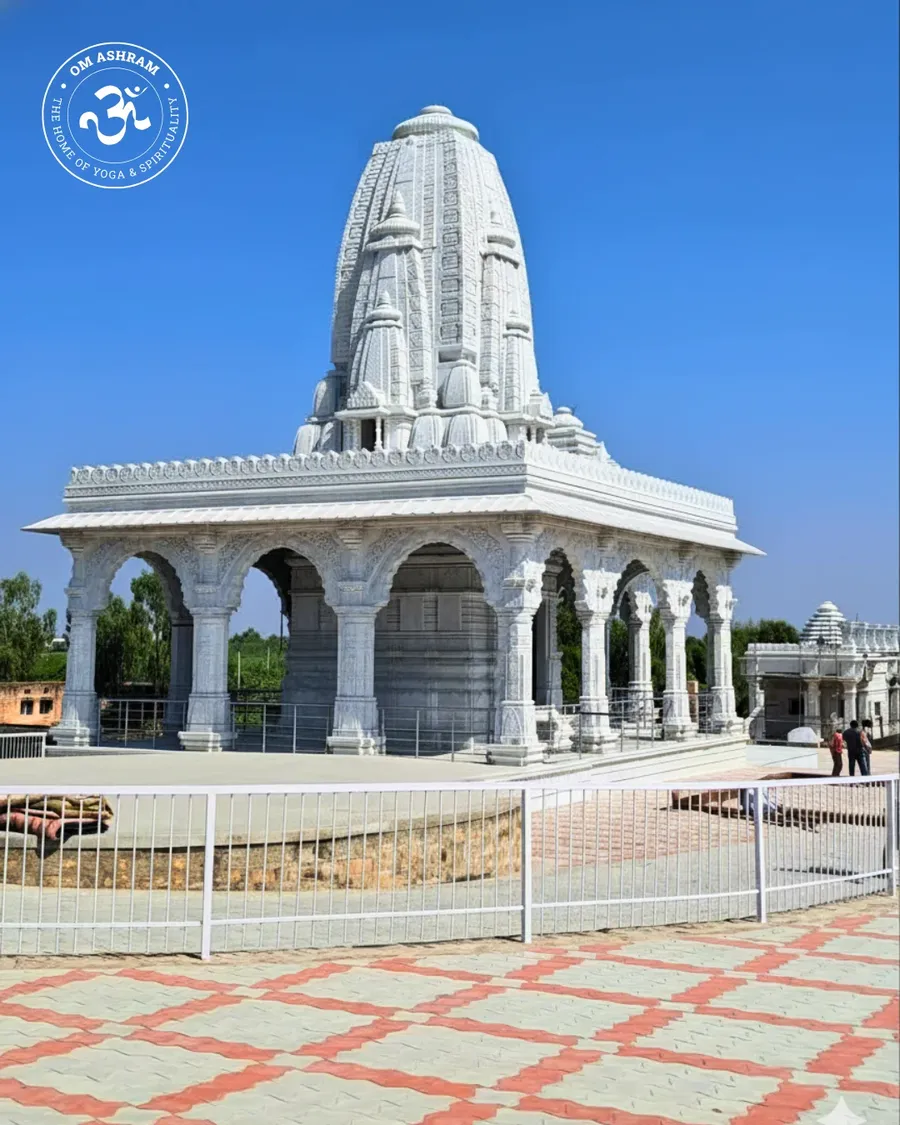
Hindu temples serve as vital spaces where spiritual energy is highly concentrated. They help visitors connect with their inner essence and the divine spark within.
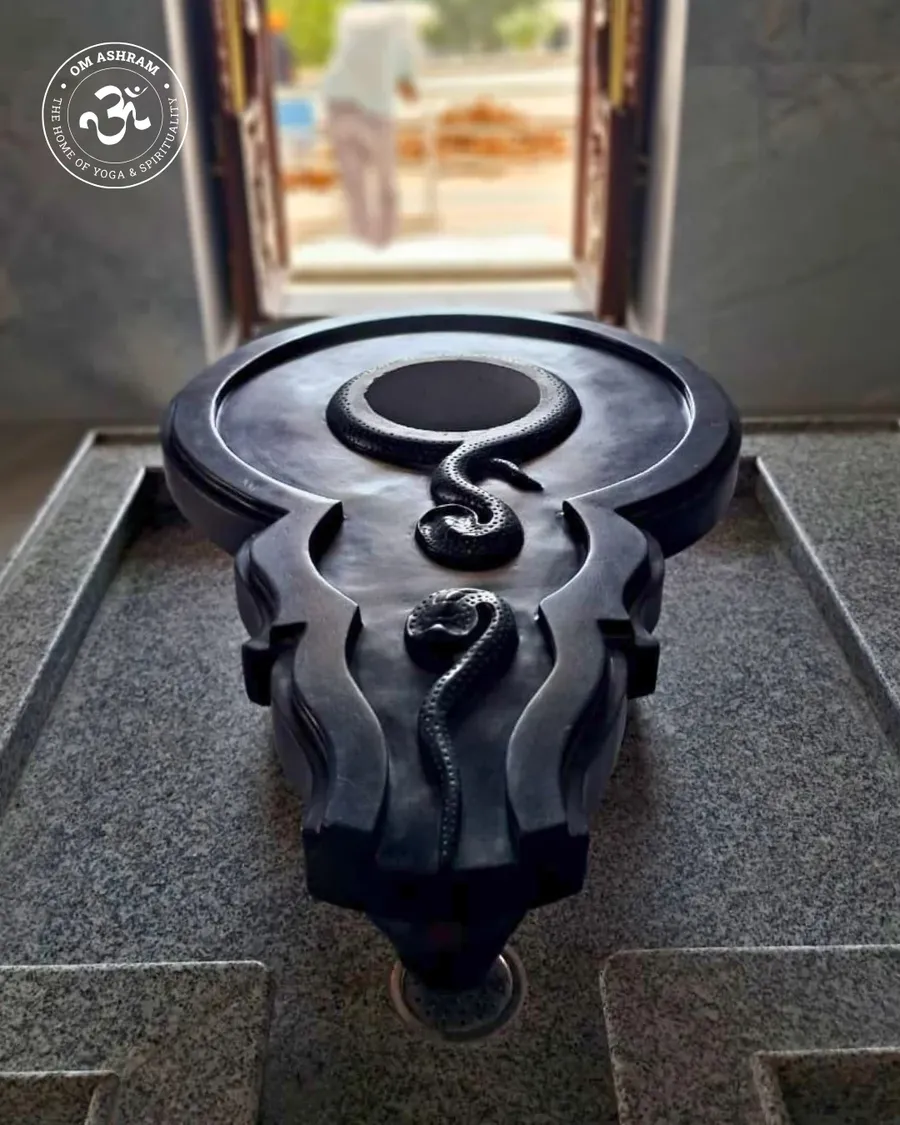
These visits offer mental peace, virtuous thoughts, positive emotions, and an upliftment of consciousness.
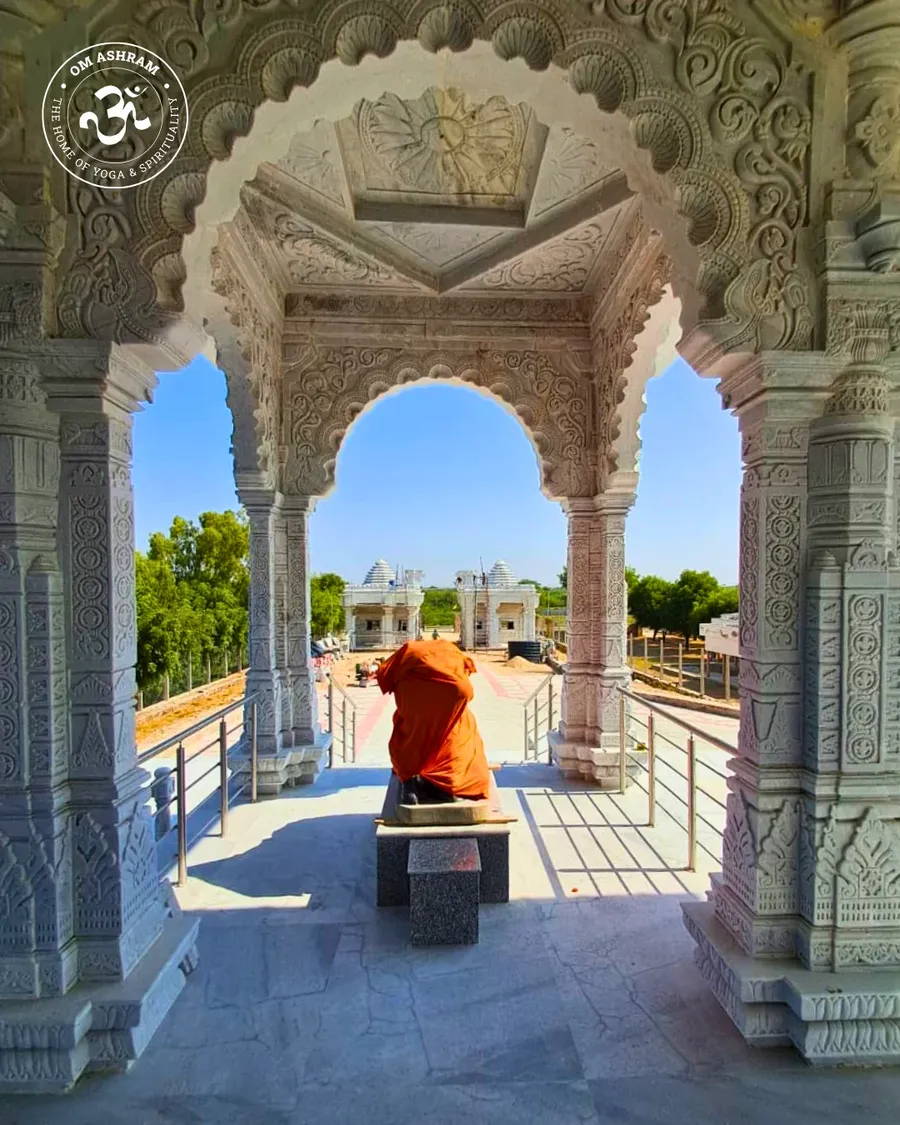
However, merely constructing a building in the shape of a traditional temple is not enough. To truly transform it into a dwelling place for the Divine, the Prana Pratishtha ceremony is indispensable.
The Essence of Pran Pratishtha
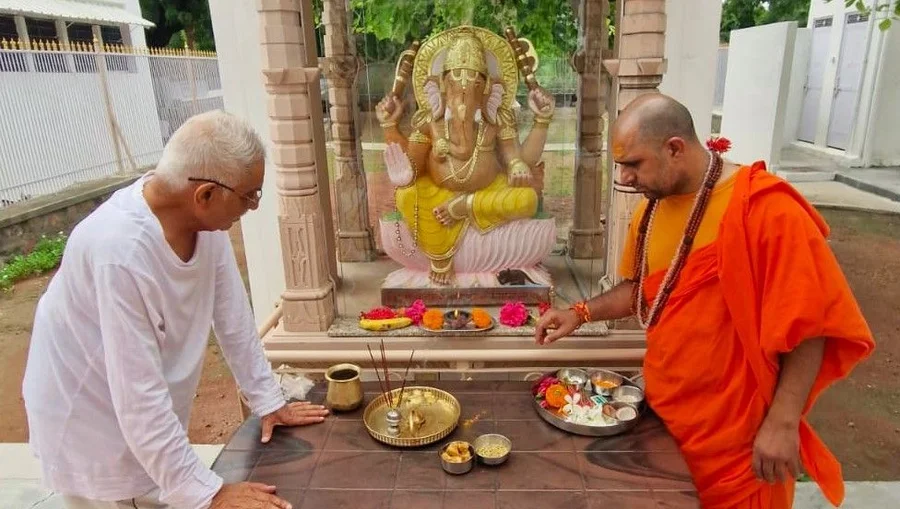
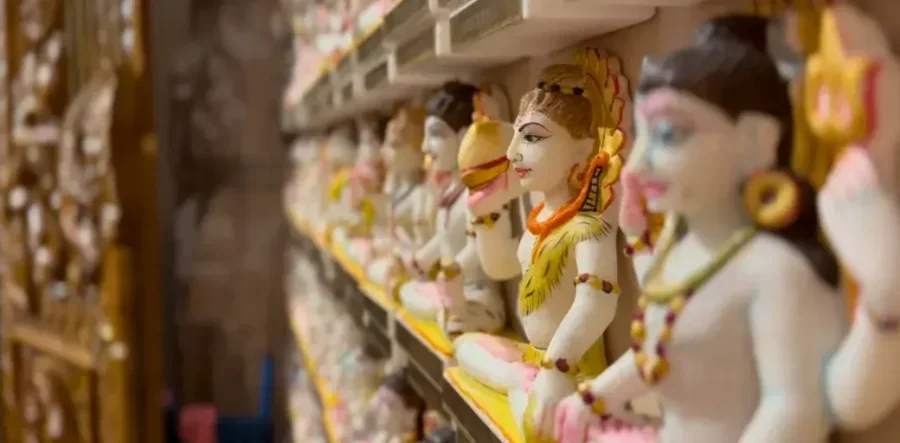
At the heart of every Hindu temple lies an idol of the Divine, known in Sanskrit as a pratima or vigraha.
Just as every living being possesses a soul—a reflection of the Paramatma, the omnipresent Supreme God—the Pran Pratishtha process infuses divine light and energy into the idol.
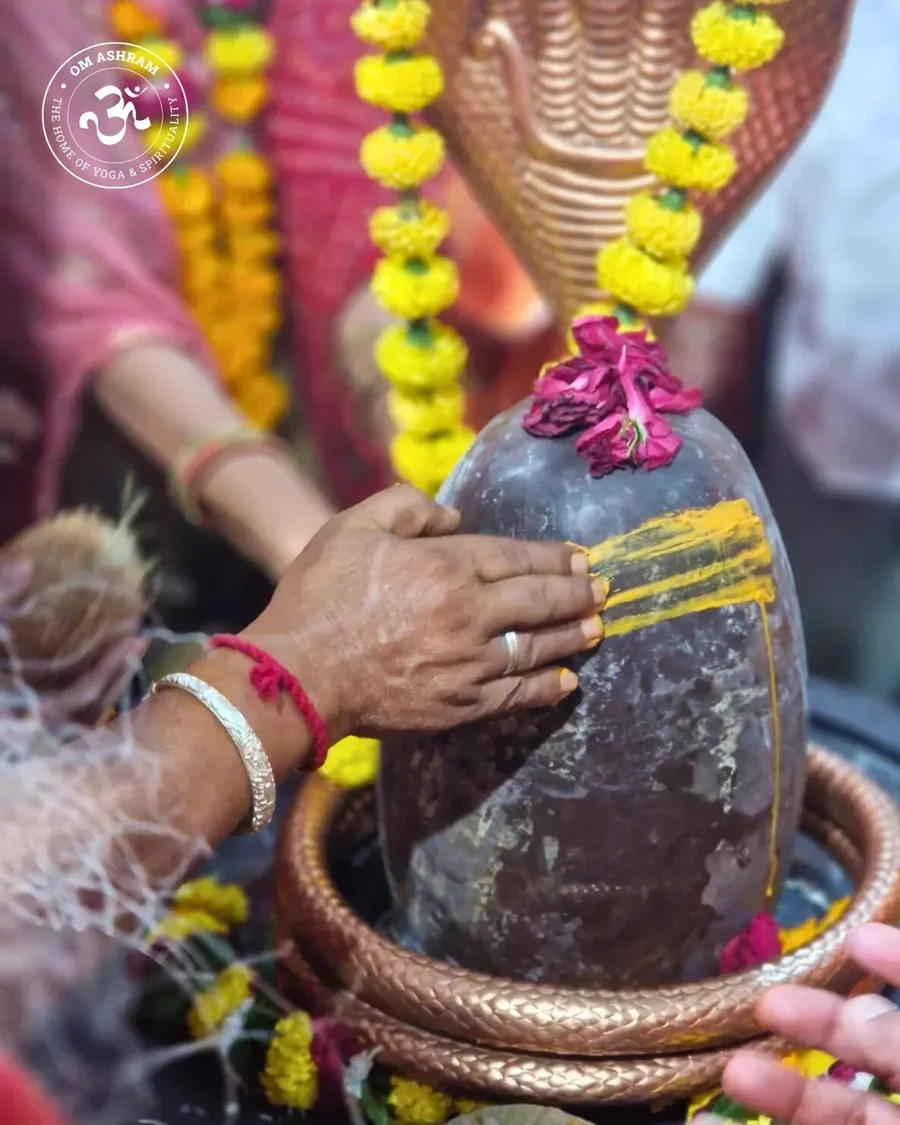
This ancient Vedic tradition, deeply rooted in scriptures, has been followed for thousands of years.
A Three-Day Festival of Elements
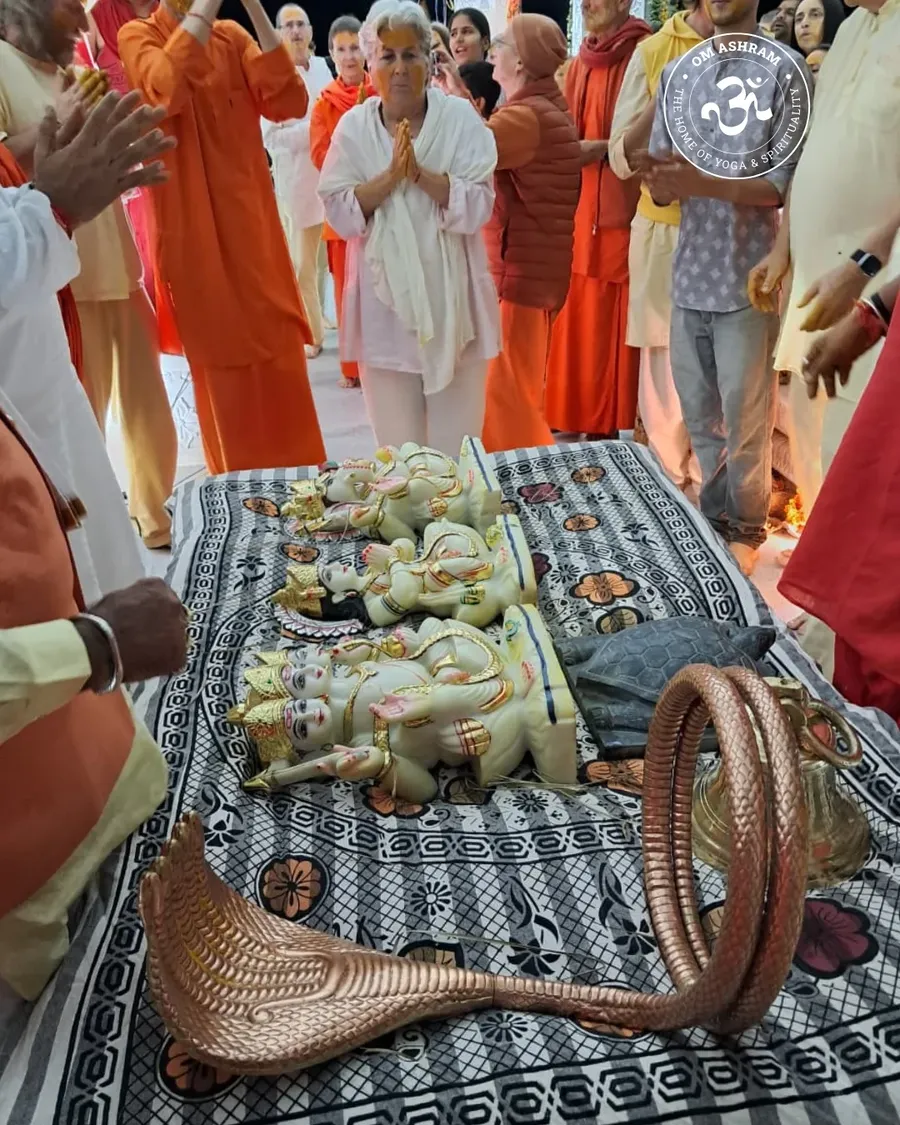
The three-day festival began with a magnificent procession (Shobha Yatra) and an auspicious Kalash Yatra.
All our deities—including the Dwadash Jyotirlingas, Parvati JI, Ganesh Ji, Kartikeya Ji, and Nandishwar Ji—were carried through the town of Rupawas.
A Kutir Hom was also performed. This initial phase prepared the deities for numerous rituals and pujas in the subsequent days.
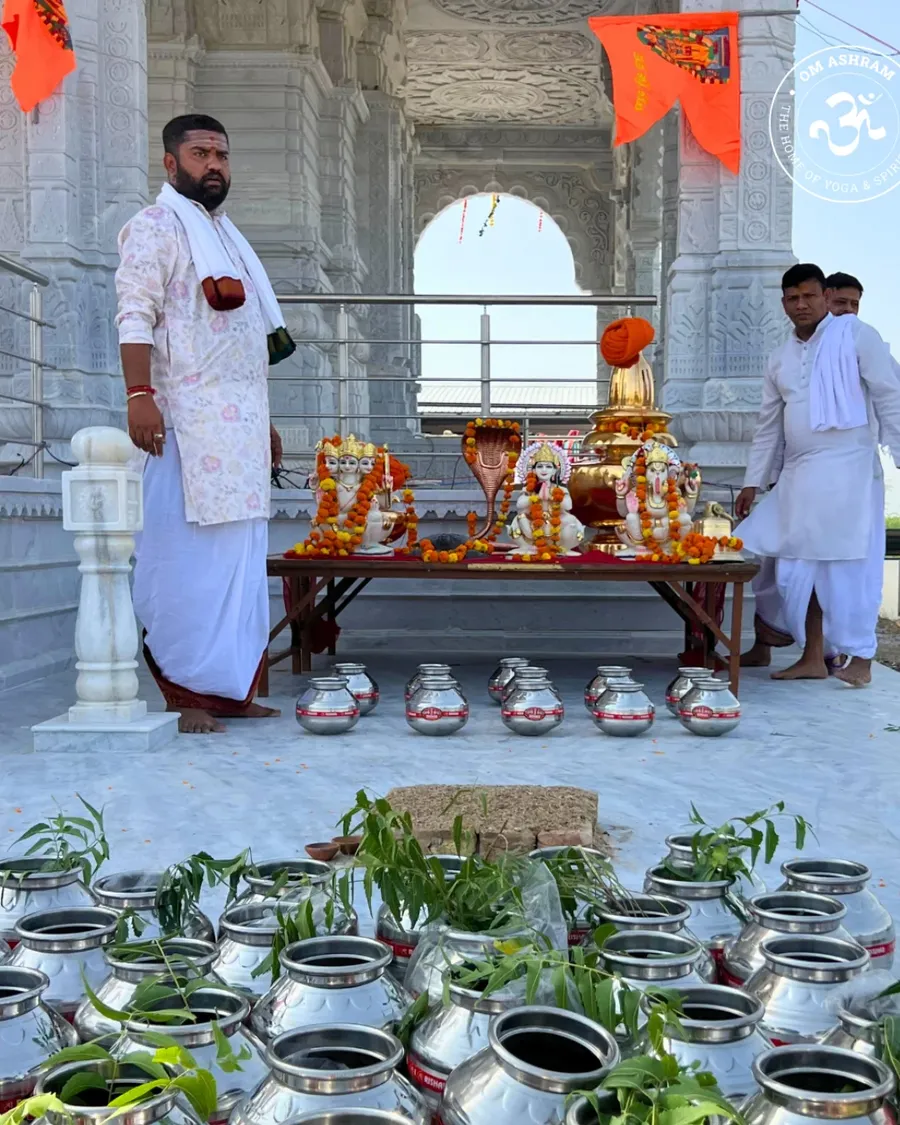
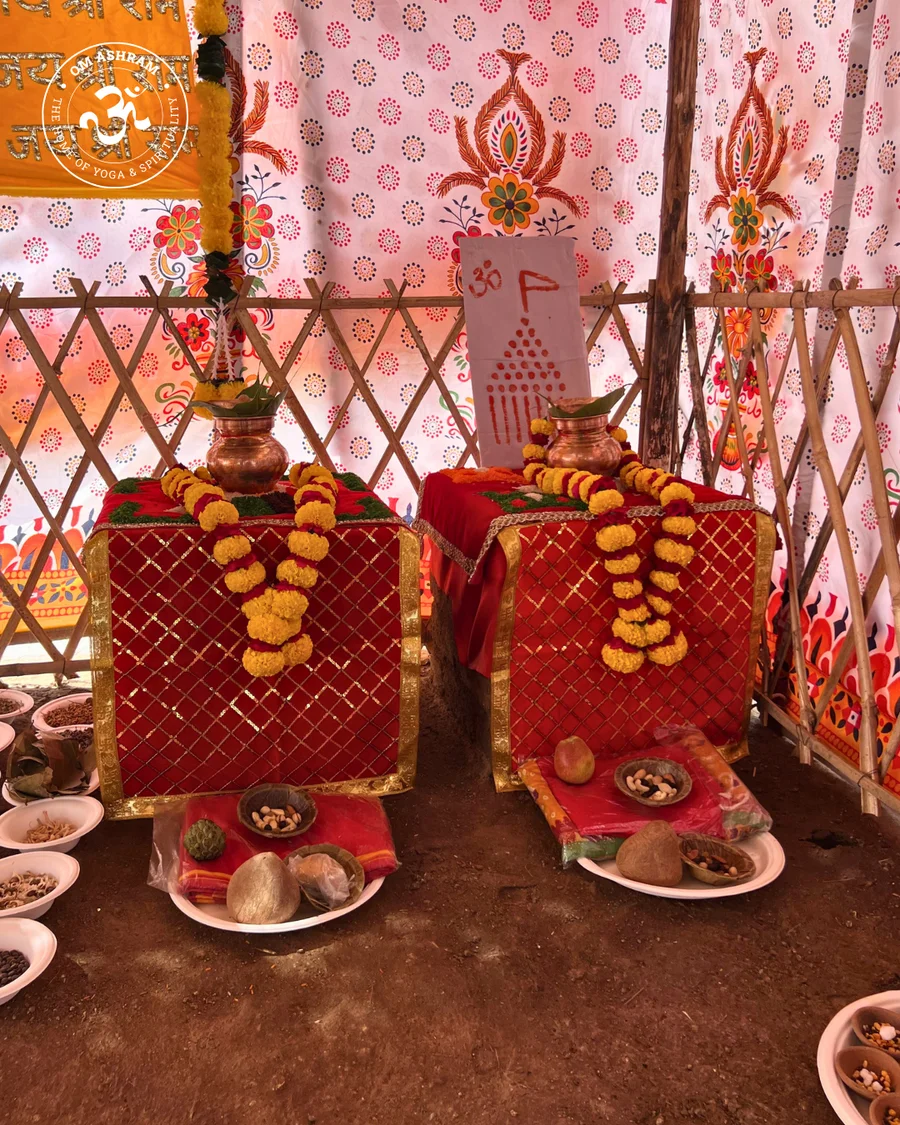
One significant ritual involved integrating the five fundamental elements—Jal (water), Prithvi (earth), Agni (fire), Vayu (air), and Akash (space)—into the idols.
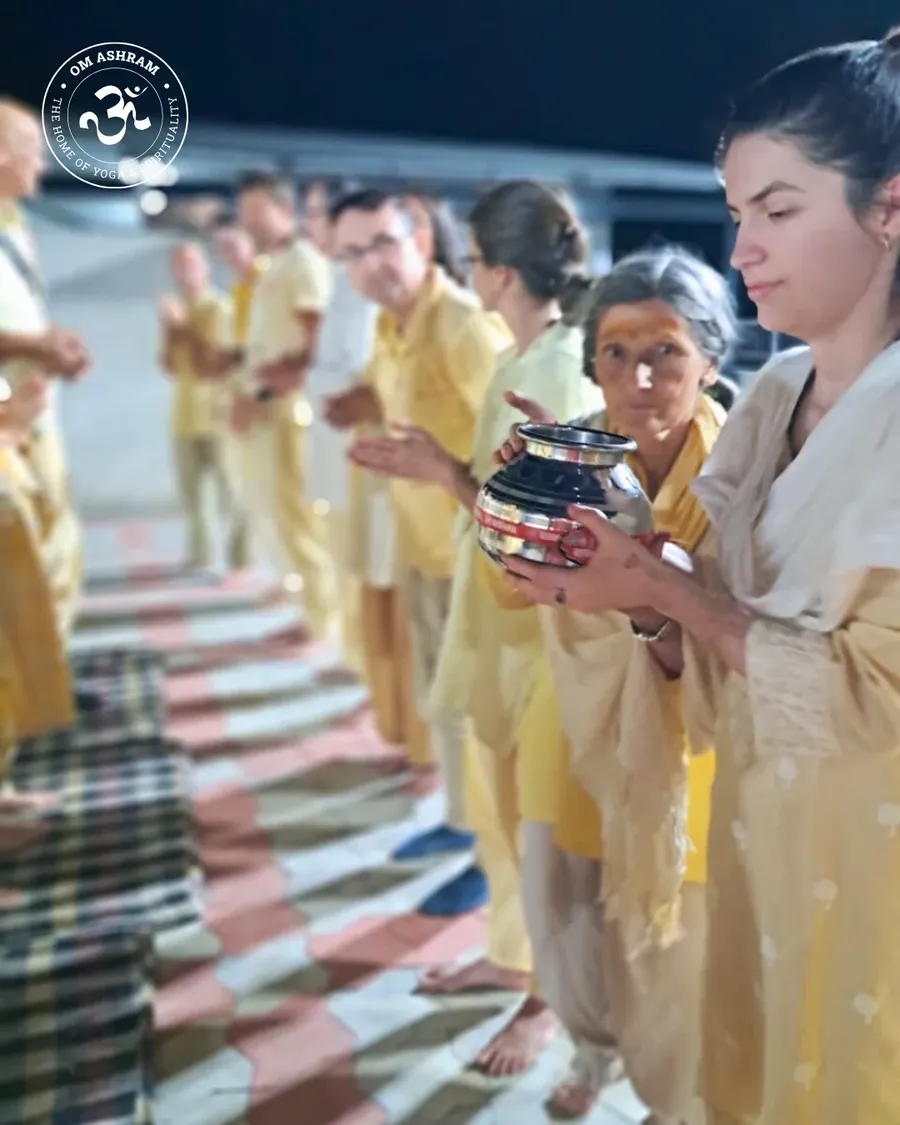
These elements constitute the physical body of every living being. This process took three days, with a special ritual performed for each element.
- Jal (water) element: Idols were immersed in water or profusely bathed.
- Prithvi (earth) element: Idols were submerged in wheat grains, representing the earth element.
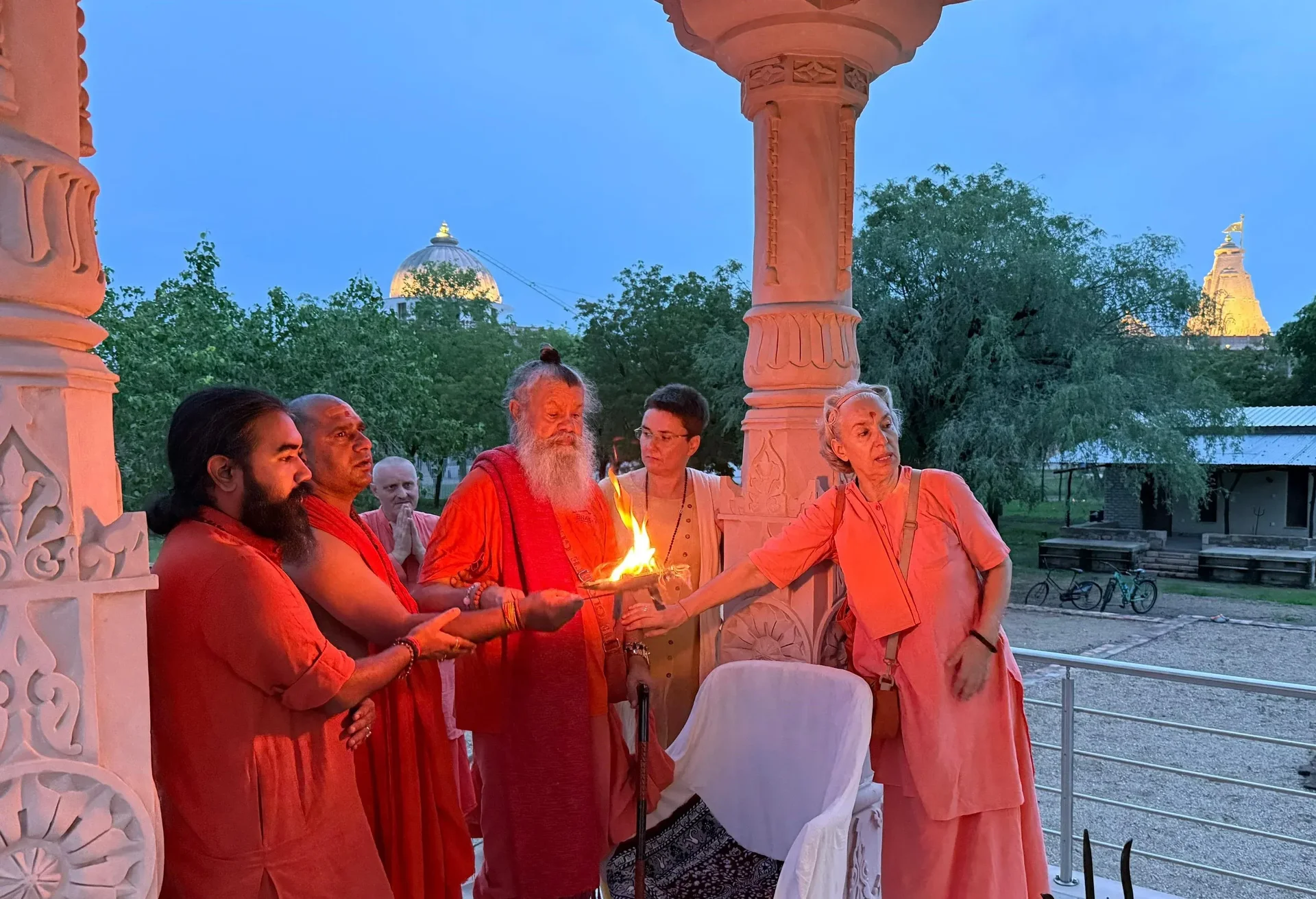
- Agni (fire) element: Flames from deepas (ghee lamps) were offered, allowing the fire element to enter the idols.
- Vayu (air) element: The air element was infused by exposing the idols to dhoop (incense) and its fragrant smoke.
- Akash (space) element: The idols merged with the space element through the resonance and vibration of intense chanting.
Invoking Life: The Vedic Procedure
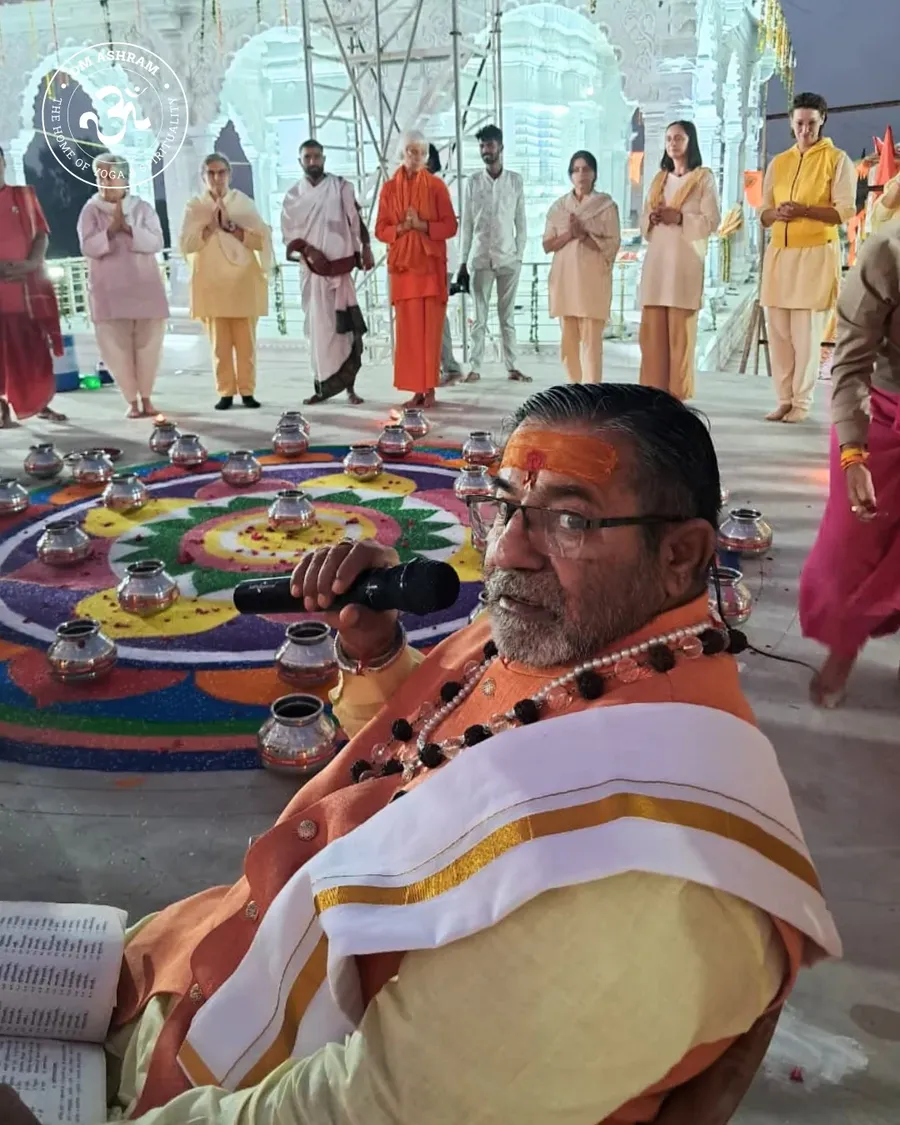
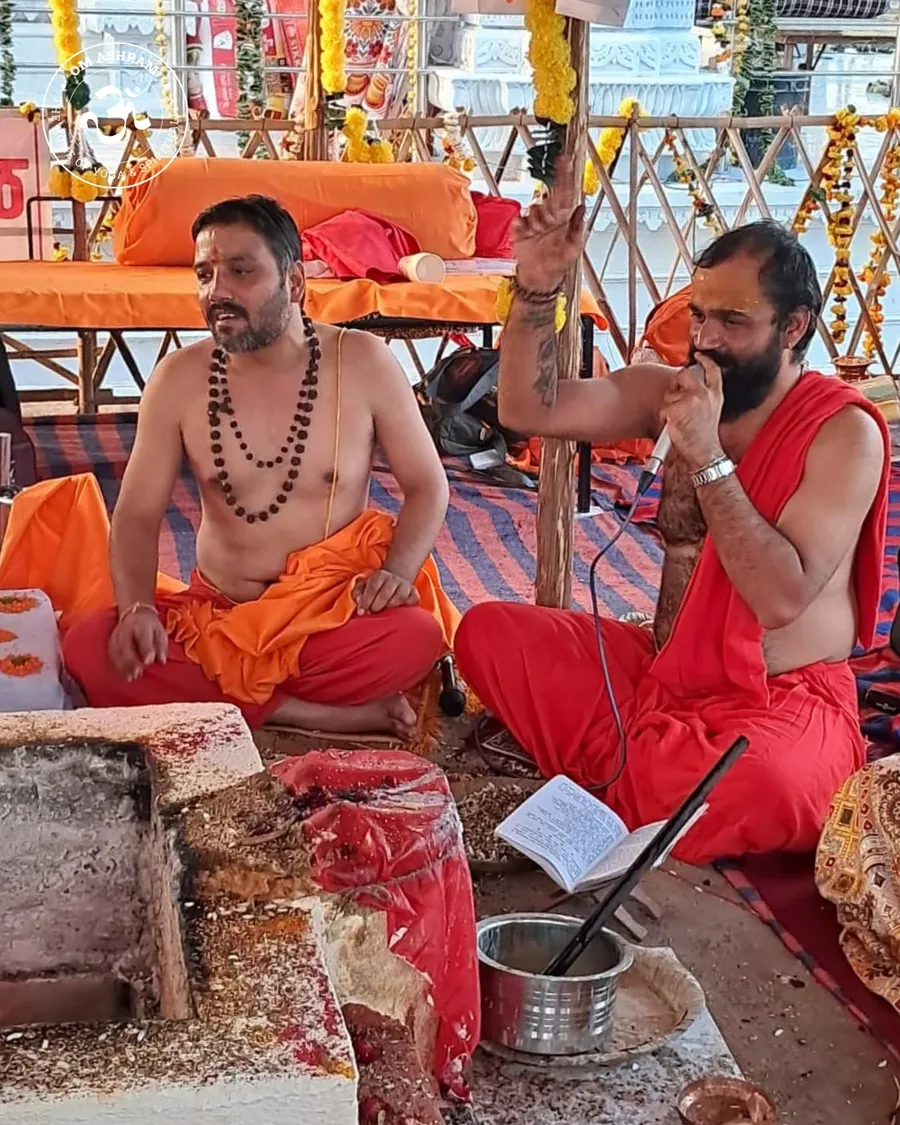
During Pran Pratishtha, a detailed Vedic procedure was observed to enliven the idols. This included chanting Bija Mantras related to the human chakra system.
The goal was to invoke Kundalini Shakti in the idols, thereby bestowing upon them the qualities of embodied life:
ॐ आँ ह्रीं क्रौं यँ रँ लँ वँ शँ षँ सँ हँ सः सोऽहं शिवस्य प्राणा इह प्राणाः ।
May the Life Breath (Prana) of Shiva, which is also my own, enter these idols.
ॐ आँ ह्रीं क्रौं यँ रँ लँ वँ शँ षँ सँ हँ सः सोऽहं शिवस्य जीव इह स्थितः ।
May the Soul (Jiva) of Shiva, which is also my own, reside within these idols.
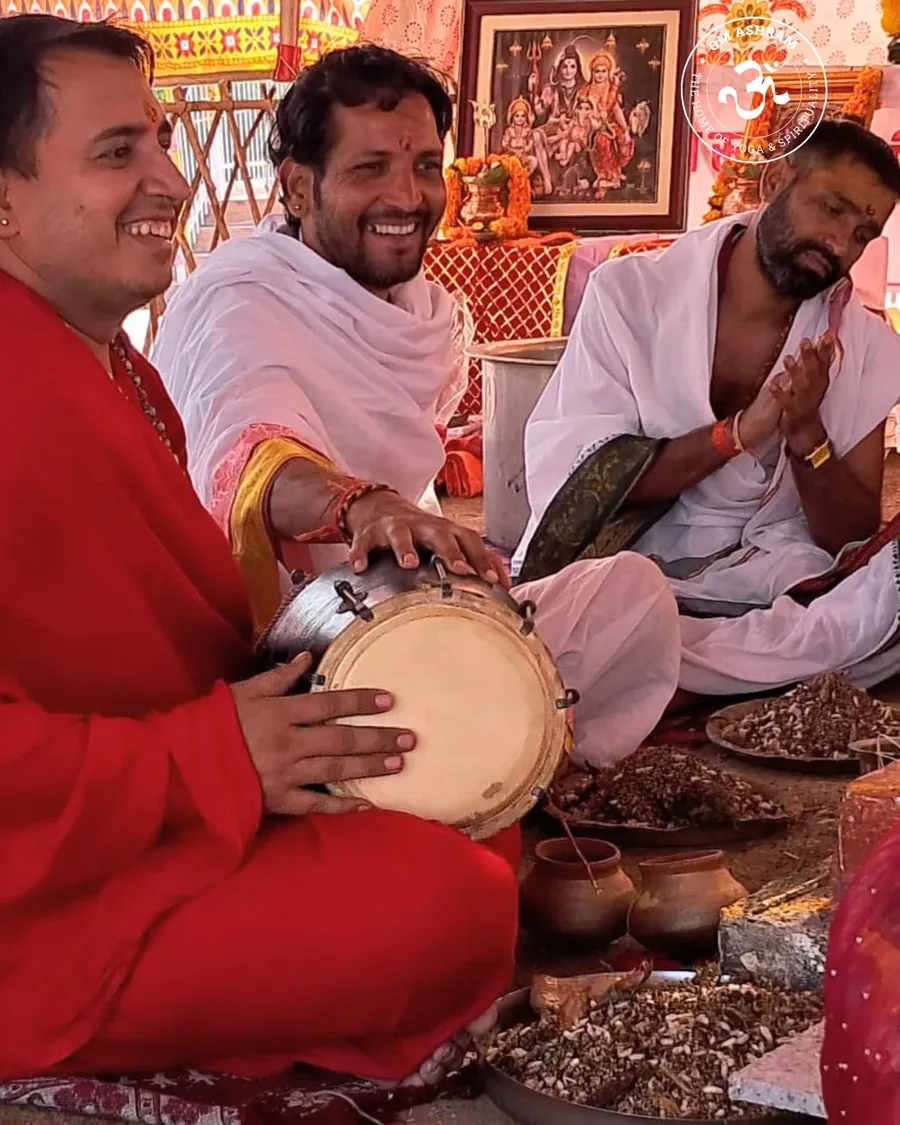
ॐ आँ ह्रीं क्रौं यँ रँ लँ वँ शँ षँ सँ हँ सः सोऽहं शिवस्य सर्वेन्द्रियाणि वाङ्मनस्त्वक्चक्षुःश्रोत्रघ्राणजिह्वापाणिपादपायूपस्थानि इहागत्य सुखं चिरं तिष्ठन्तु स्वाहा ।
May all the Senses (Sarvendriyani) of Shiva, which are also my own, come here and reside happily for a long time in these idols, SWAHA!
This entire process is meticulously performed according to precise astrological calculations, ensuring the most auspicious date (Tithi of the Hindu calendar), time, Nakshatra, and other celestial factors.
Laghu Rudra Yajna: A Tribute to Shiva
As the temple at Rupawas is dedicated to Shiva, the Laghu Rudra Yajna was the most fitting ceremony for its Pran Pratishtha. The Rig Veda, the oldest Veda, contains eight chapters. Chapter five is a treatise dedicated to Rudra, the most ancient revered form of Lord Shiva.
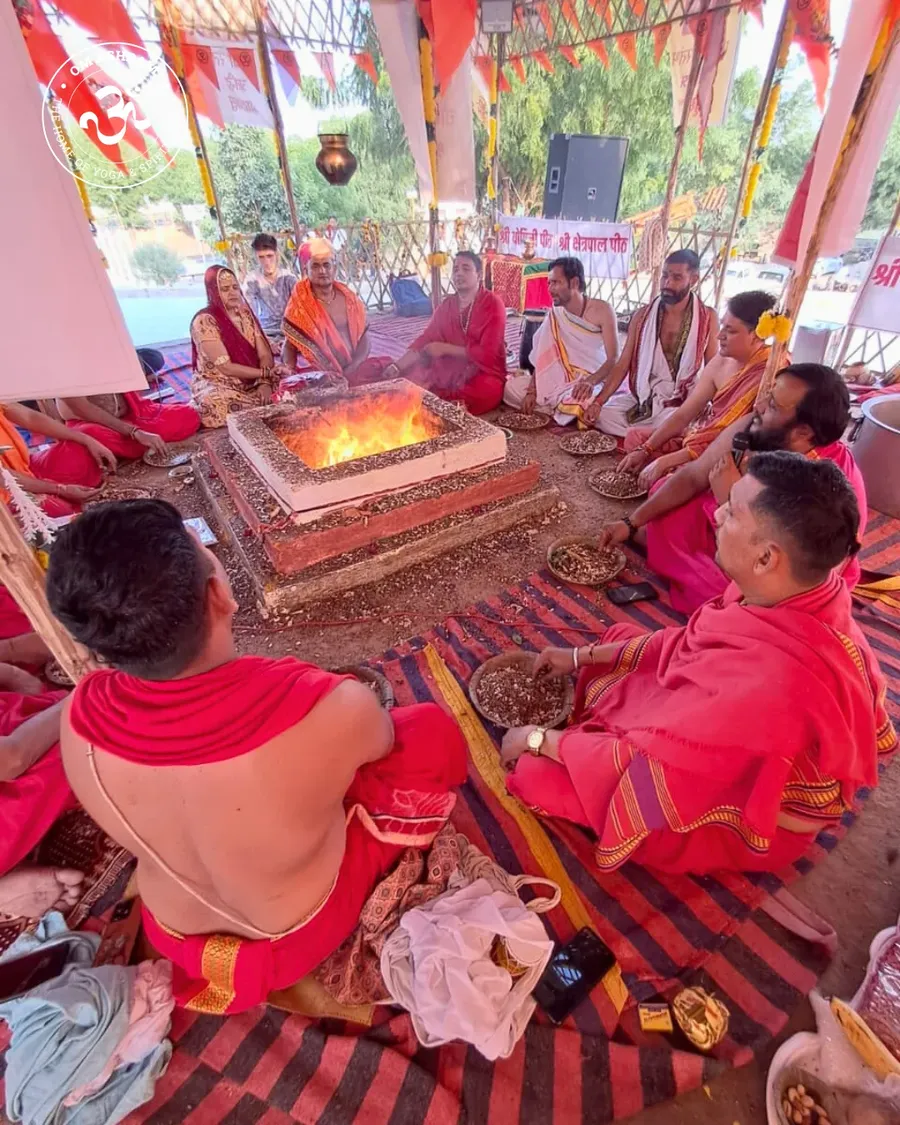
The chanting of these ancient mantras and the offering of sacred oblations into the sacrificial fire constitutes the Rudra Yajna.
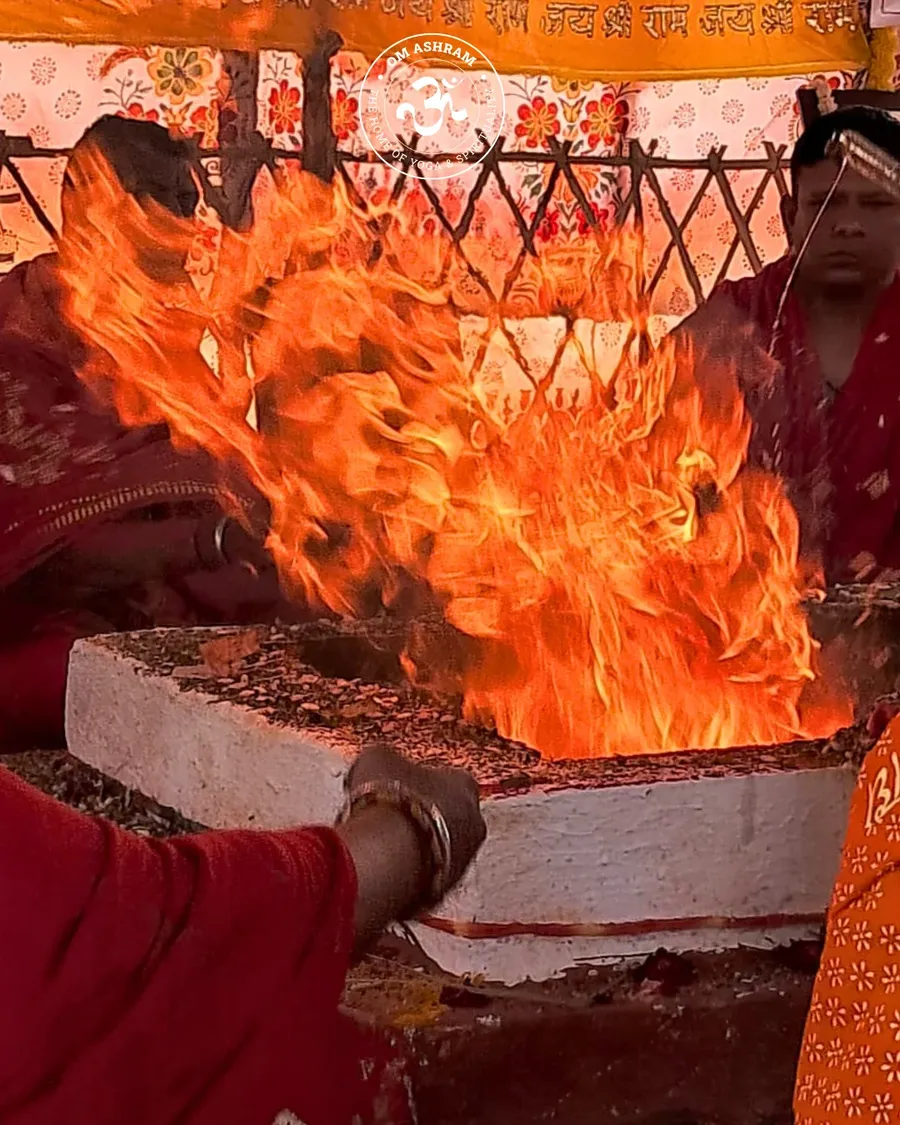
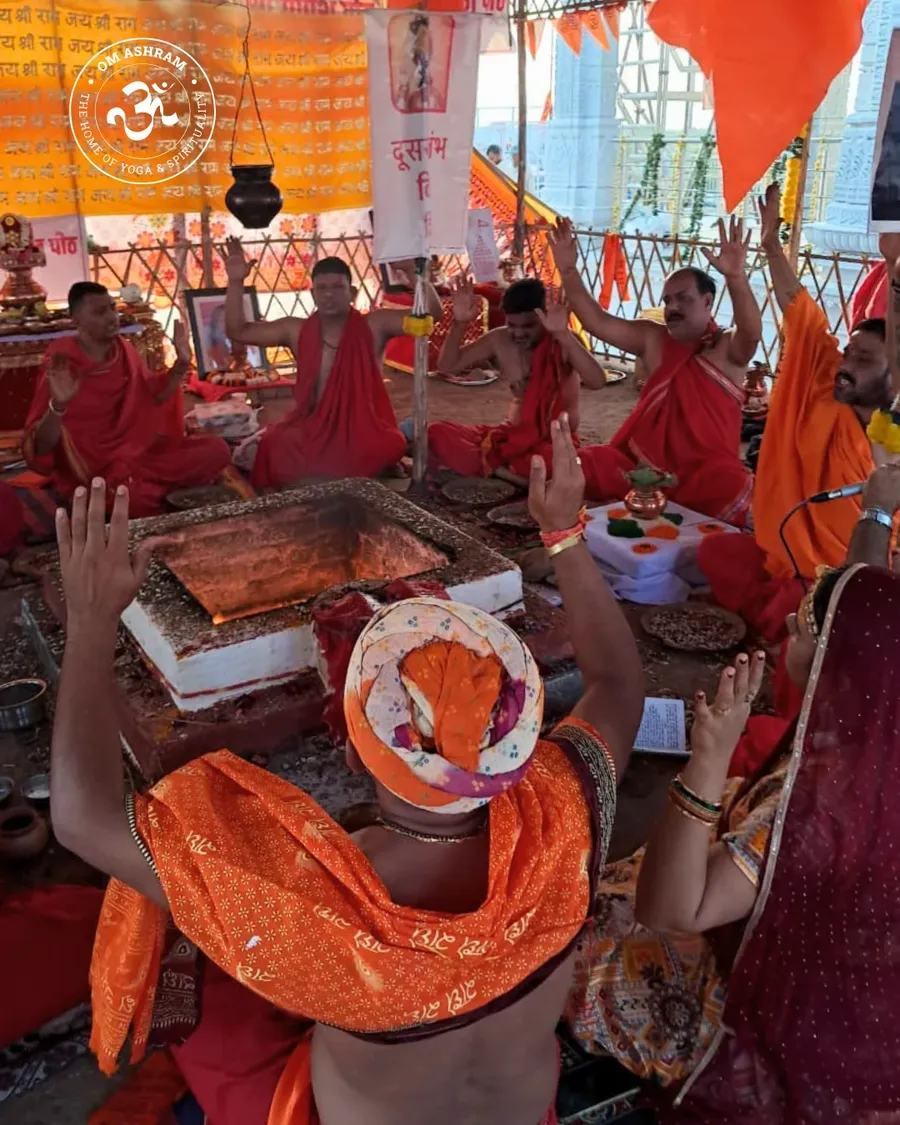
When this ritual is repeated 121 times in a single day, it is known as Laghu Rudra Yajna. Since one Pandit could chant 11 times a day, 11 Pandits were required to complete 11 repetitions, with an additional chant performed.
Conclusion
The Pran Pratishtha ritual, like the one at Maheshwar Mahadev Mandir, shows us the deep wisdom of ancient Vedic traditions. It's more than just a ceremony; it's a powerful way to bring divine energy into an idol, turning stone into a living connection to divine. In today's busy world, this old practice reminds us of our spiritual side. Guided by ancient knowledge and holy saints, Pran Pratishtha makes a temple's heart truly beat. This ritual isn't just history; it's a living tradition that keeps our world filled with sacred light and meaning.

Welcoming to OM Ashram Jadan
-1920x883.webp?2026-01-23T15:57:06.041Z)