

Share


Yagya Shala: The Spiritual Heart of Temple's Consecration
Written by Pandit Kapil Trivedi
Last updated: Dec, 08 2025 • 4 min read
Jump To Section
The recent Pran Pratishtha of the new Shiva temple in Rupawas was a spectacular spiritual event, with the Yagya Shala at its very core. This article explores the vital role and activities within this sacred space during the temple's inauguration.
What is a Yagya Shala?
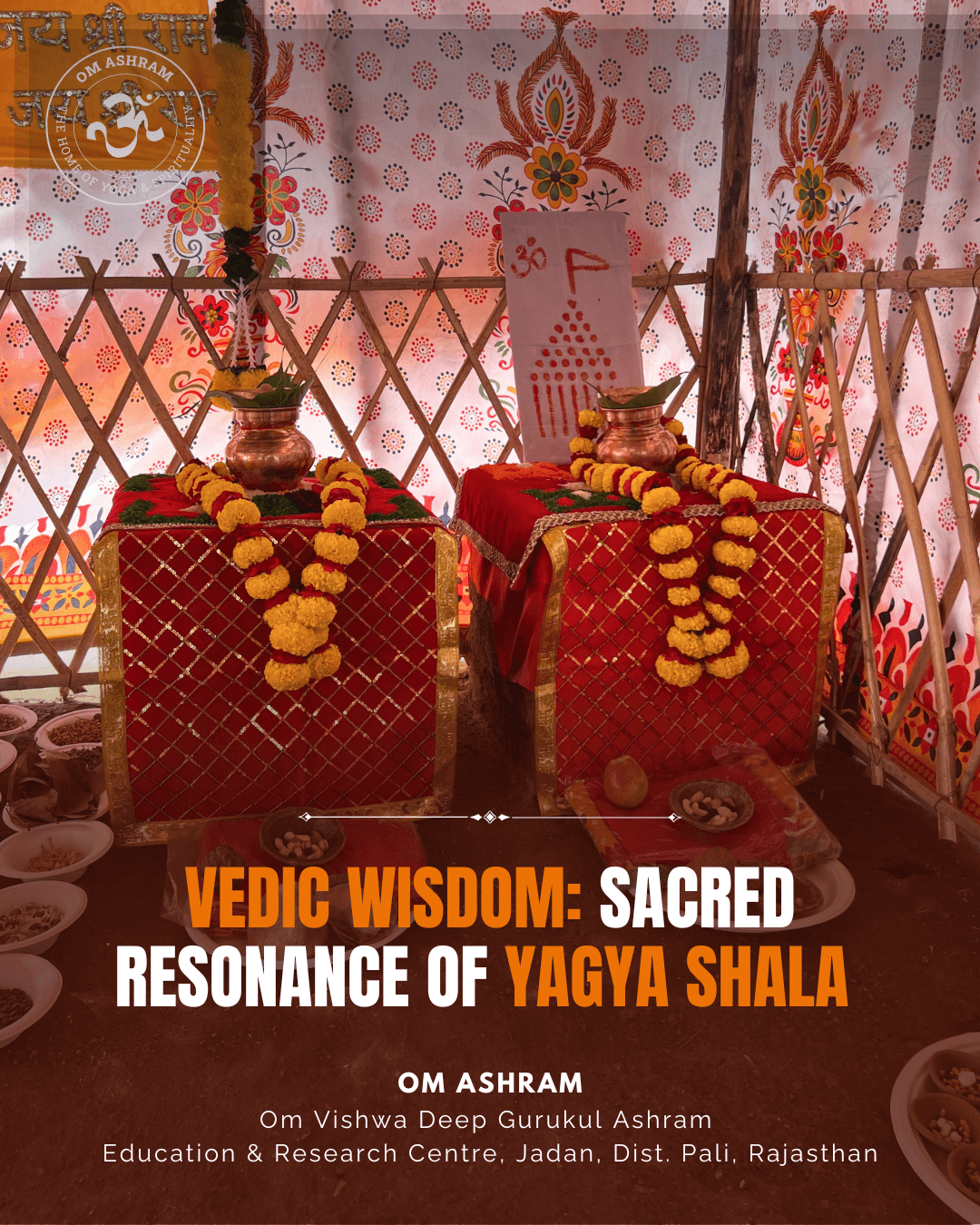
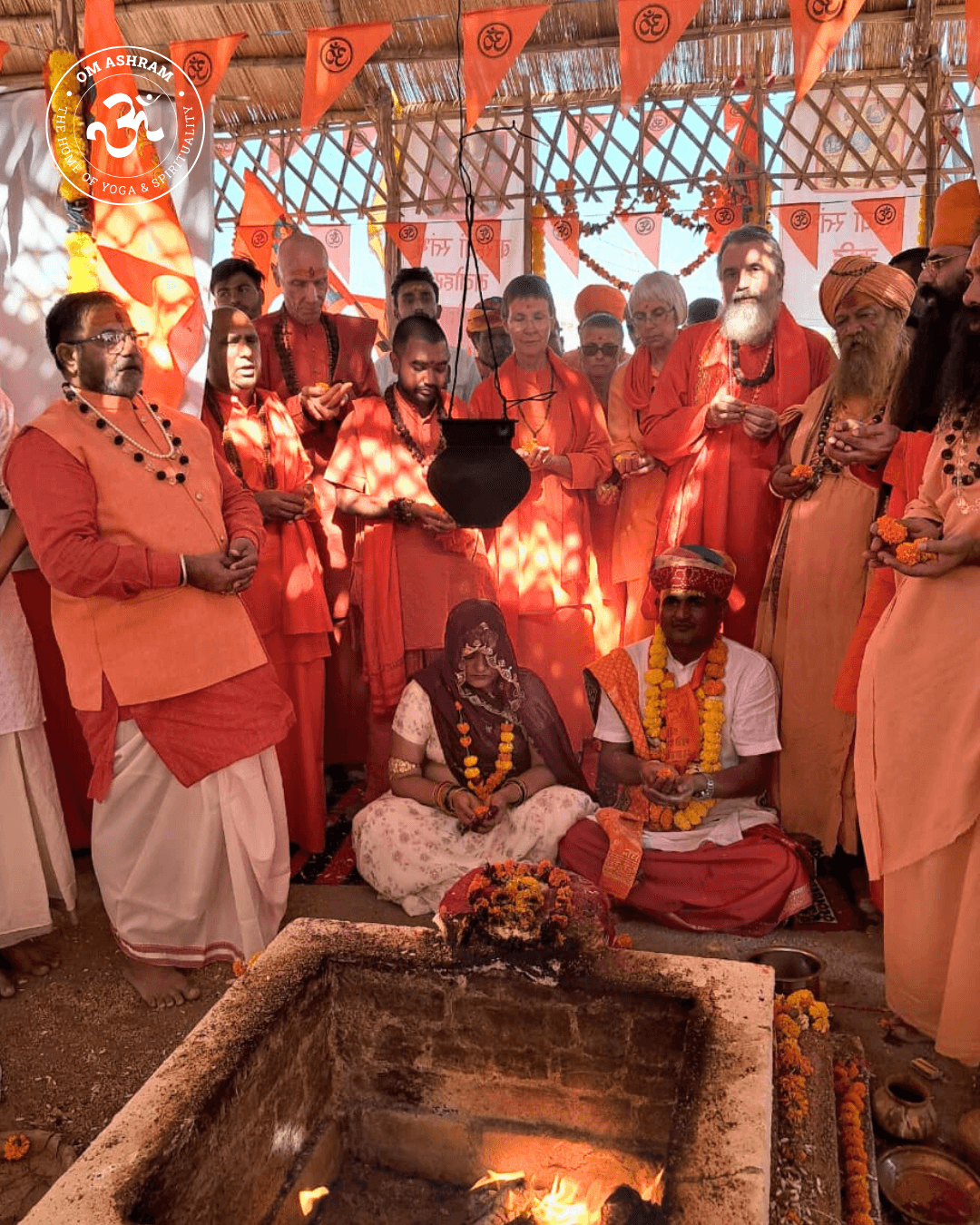
A Yagya Shala is a temporary, sacred pavilion for fire rituals (Yagya or Havan).
These Sanskrit terms mean "worship" or "fire ceremony," involving mantras and offerings into a consecrated fire. The word Shala means "hall."
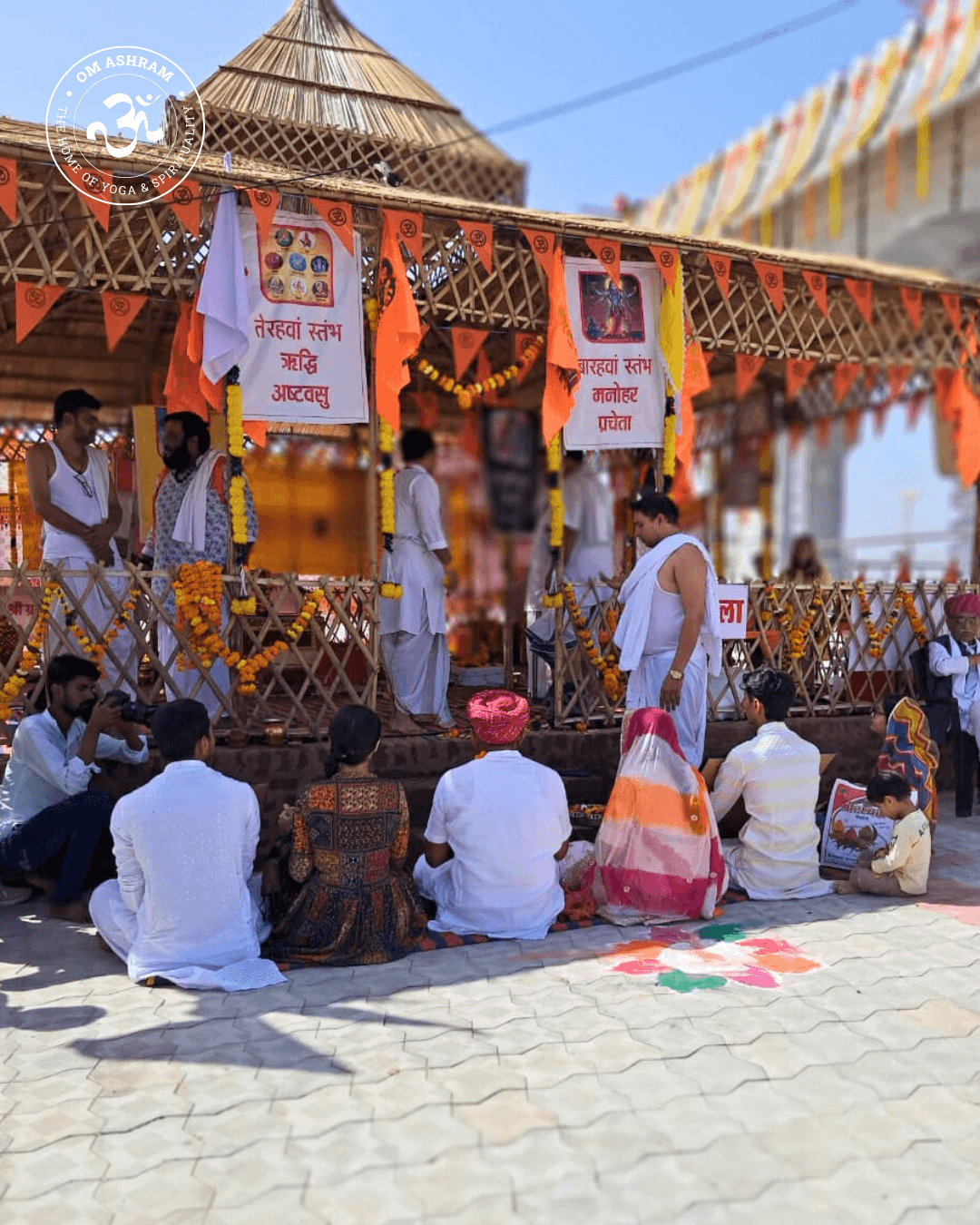
This pavilion functions as a spiritual "powerhouse," generating cosmic energy through chanting and fire offerings. This energy blesses the new temple and brings the stone idols to life.
Inside the Yagya Shala: Altars, Protectors, and the Fire Pit
Within the pavilion, Yagya Mandaps, remarkable altars, were set up for guardians: Kul Devi (family goddesses), Bhairav Ji (protector), and Vastu Devta (god of architecture).
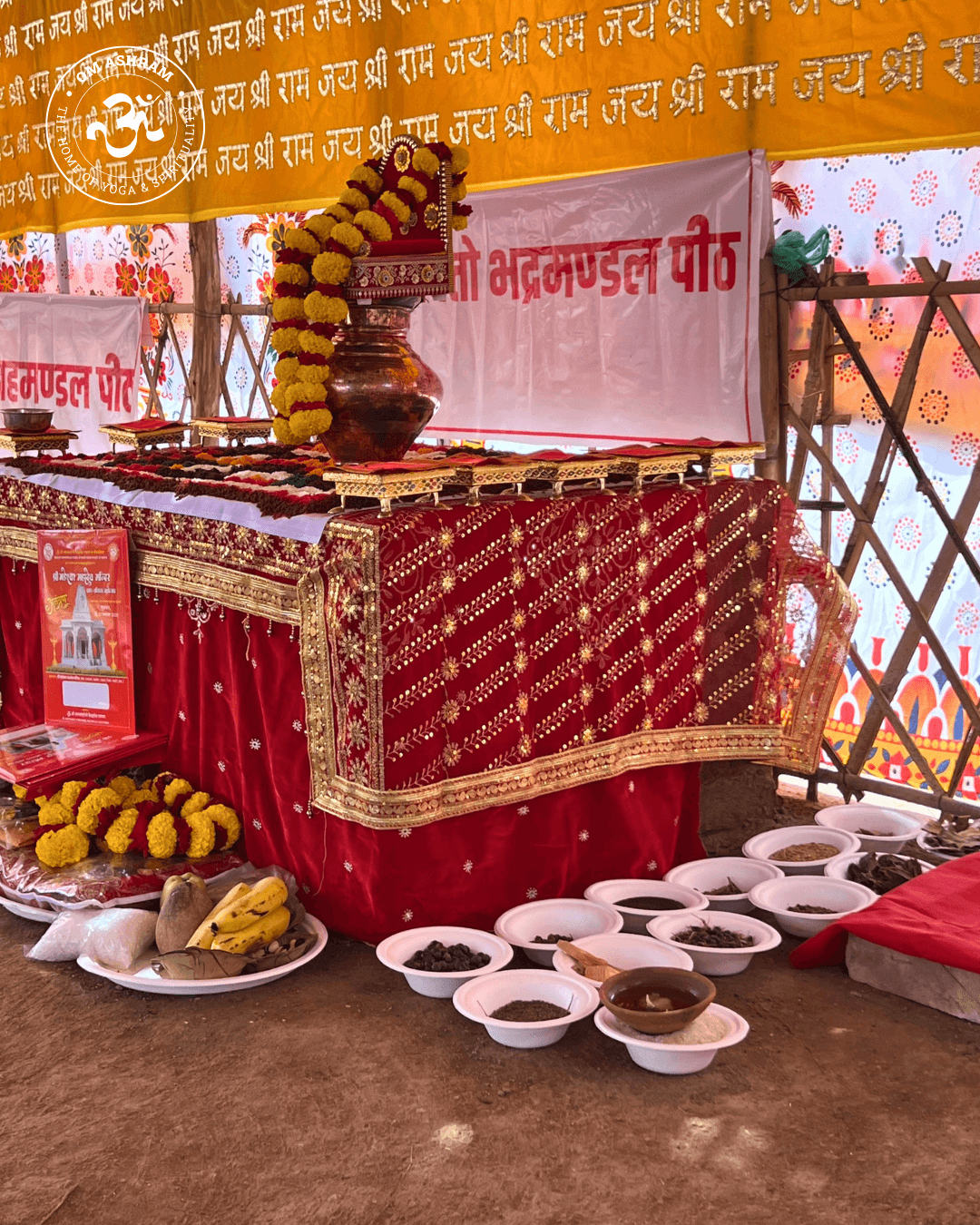
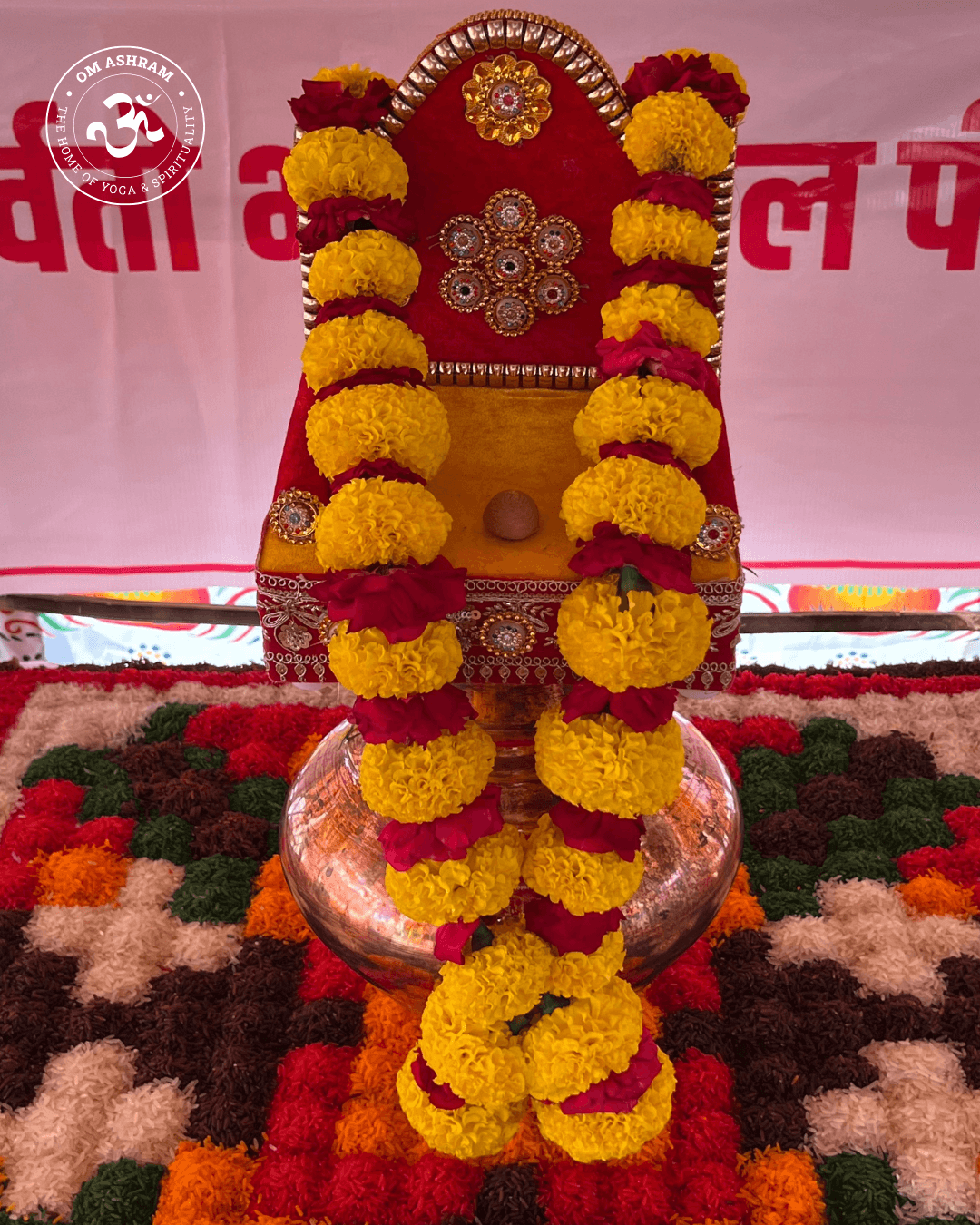
At the central altar, Lord Shiva was worshipped, surrounded by the Navagraha (nine planetary deities) to ensure cosmic balance.
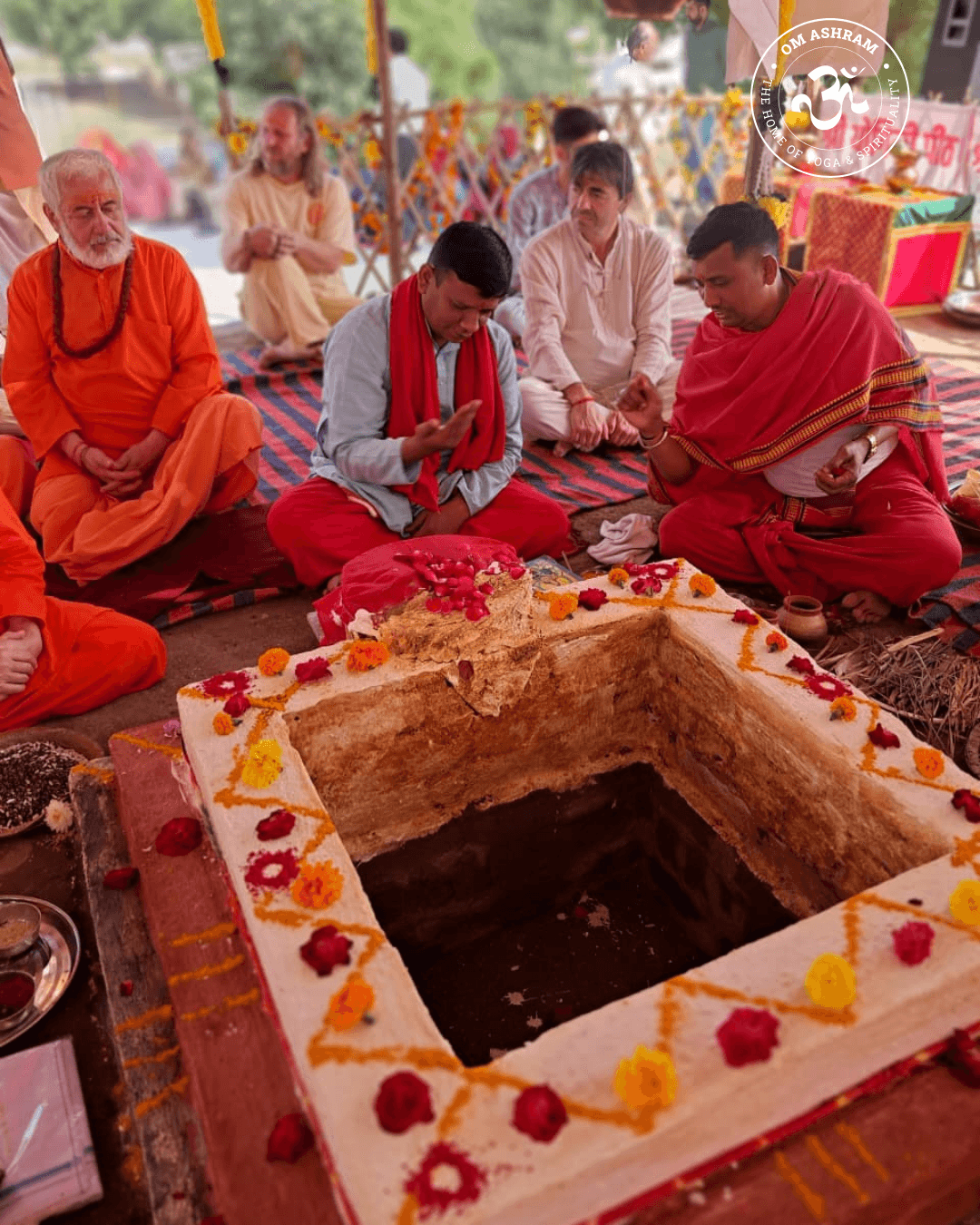
The Yagya Kund, the sacred fire pit, sat in the middle. Here, offerings of ghee, grains, and herbs were made into the fire, accompanied by powerful Vedic chanting.
Here's an exclusive look at the profound activities inside the Yagya Shala over three days of the celebration:
DAY ONE: Invocation, Light, and Divine Welcome
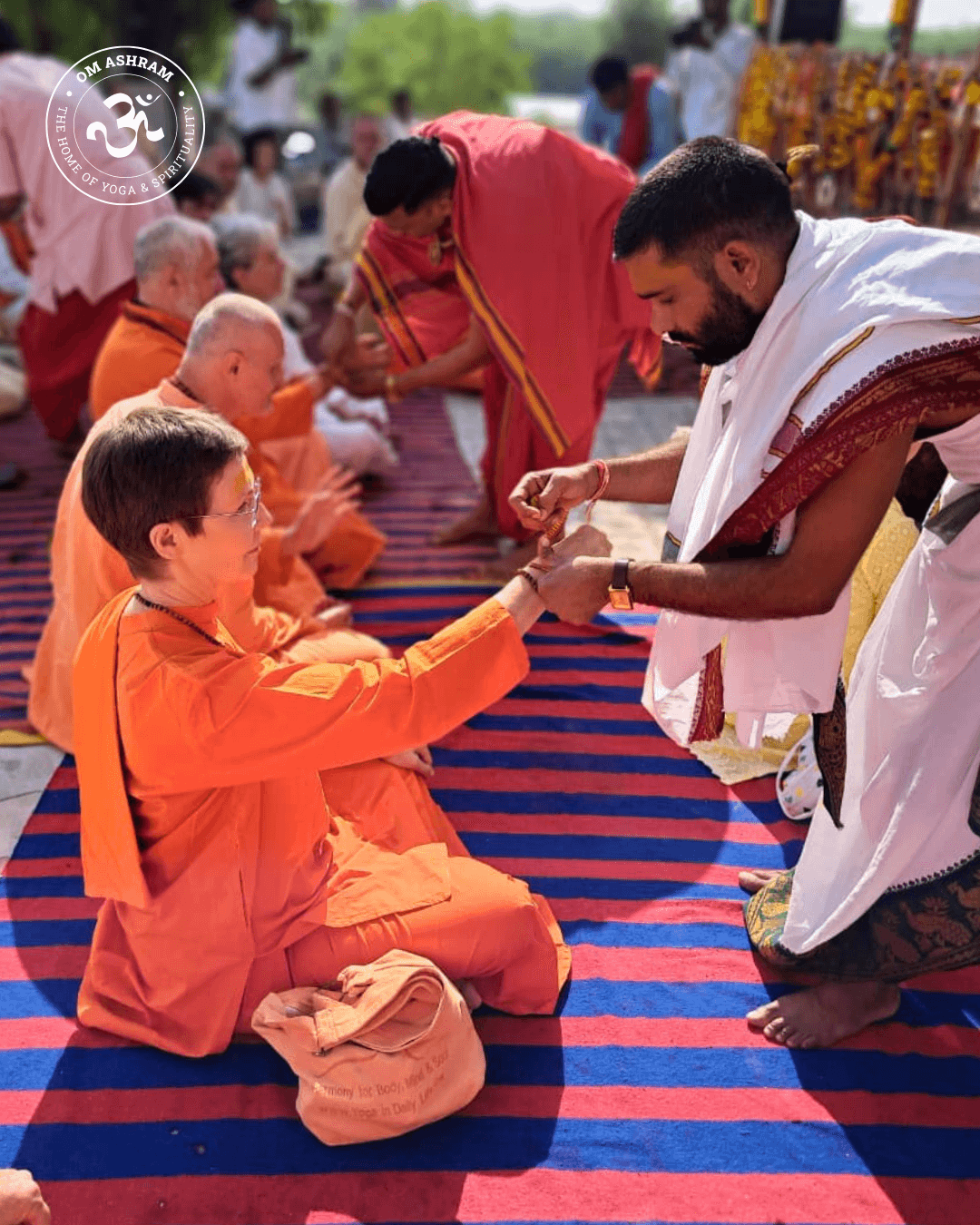
The day began with a welcoming ceremony. The Pandits applied tilak on the foreheads of the participants and tied a protective thread on their wrists.

Chanting mantras, they walked together around the Yagya Shala as a sign of reverence.
Shodash Upachar Puja: Sixteen Steps of Reverence
The first day invited divine forces into the Yagya Shala. Following Vedic tradition, all major undertakings begin with Lord Ganesha, the remover of obstacles.

The pandits performed the traditional sixteen offerings (Shodash Upachar Puja). This Vedic ceremony combined chanting and hymns with 16 symbolic offerings (bathing, clothing, food, incense) to Lord Ganesha.
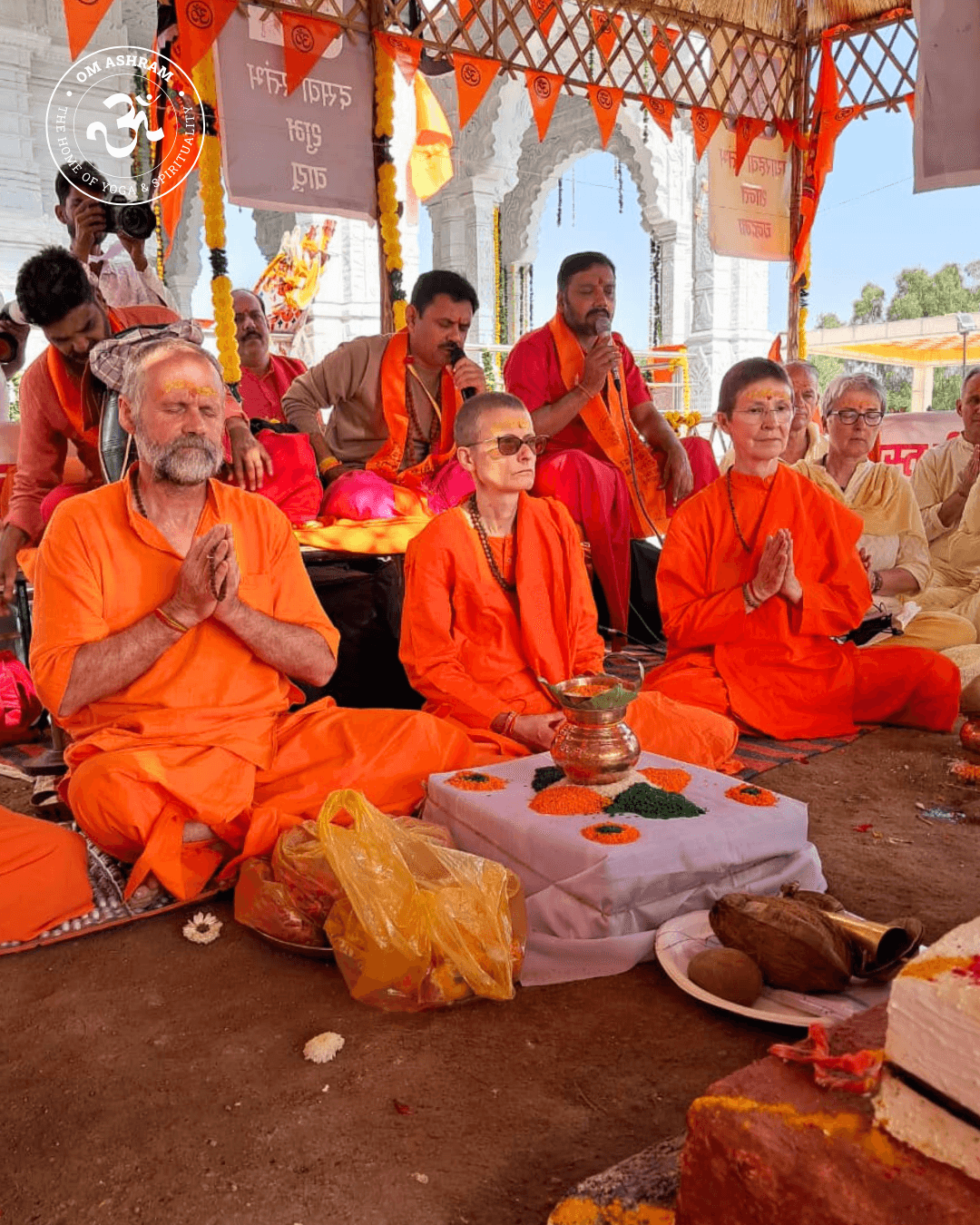
These were profound gestures of respect, treating the deity as an honored guest.
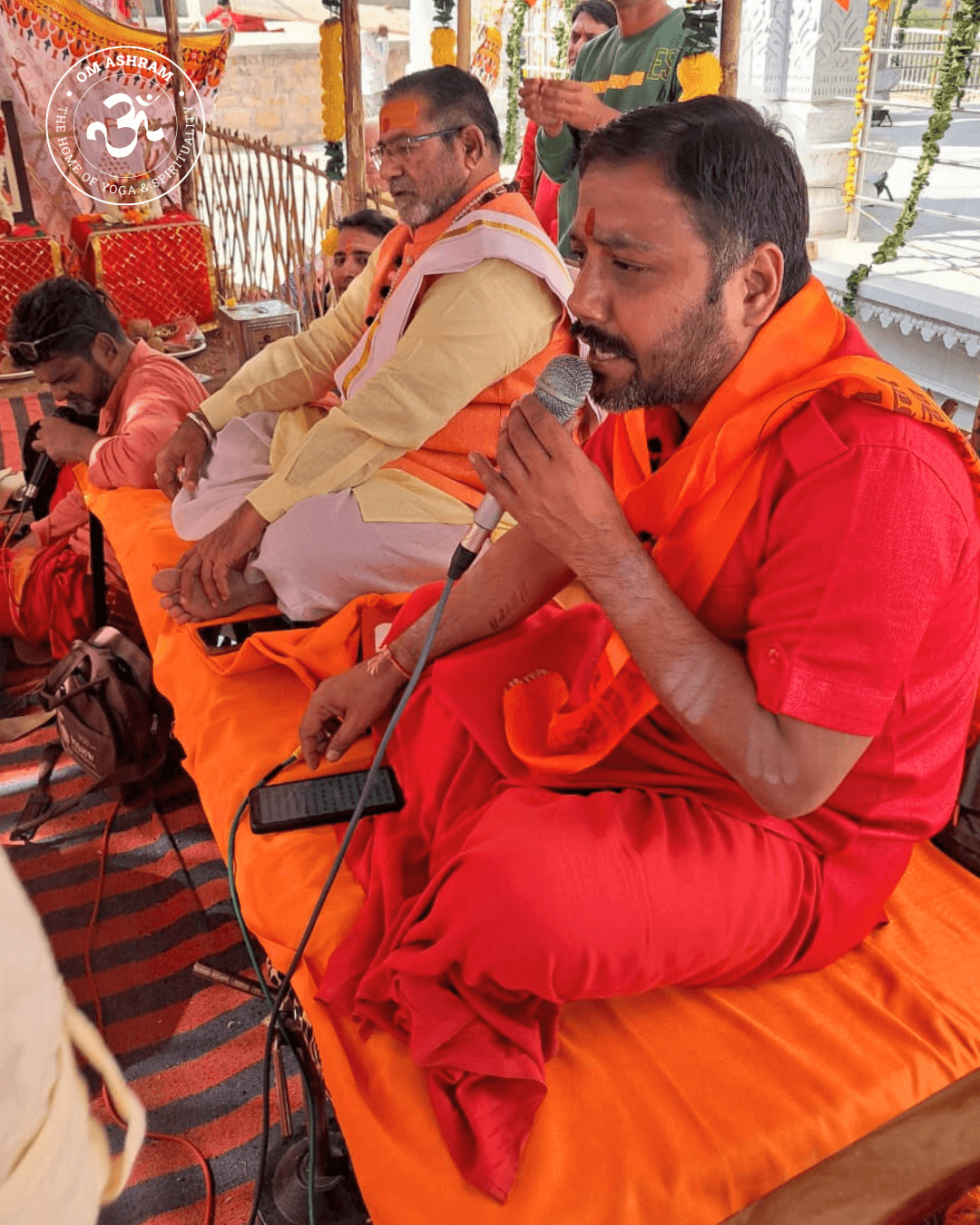
Lord Ganesha was honored alongside his wives, Riddhi and Siddhi, and his sons, ensuring a smooth temple opening.
Outside the Yagya Shala: A Community's Blessing
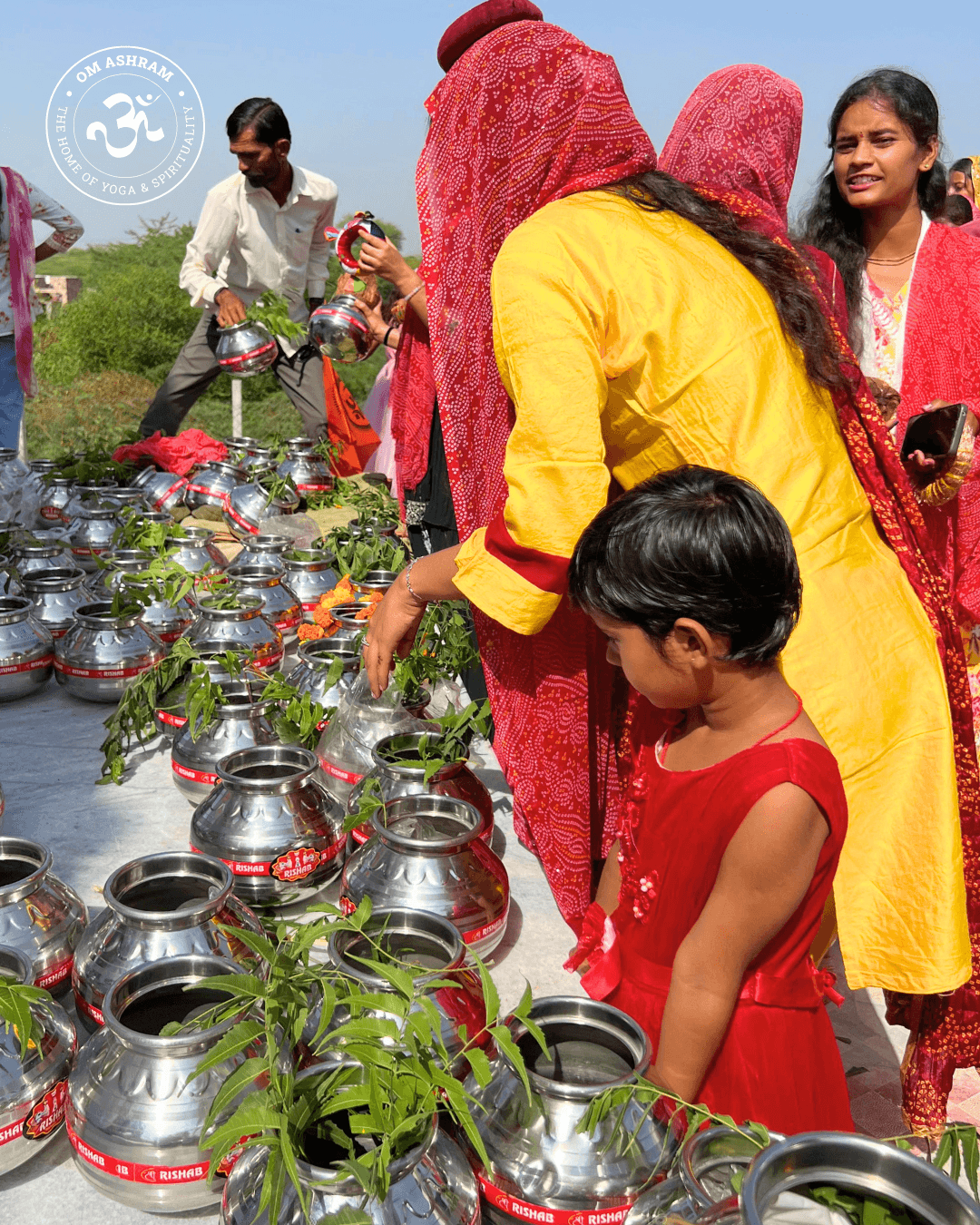
After divine energies were invoked, a grand procession (Shobha Yatra and Kalash Yatra) was held in the village.
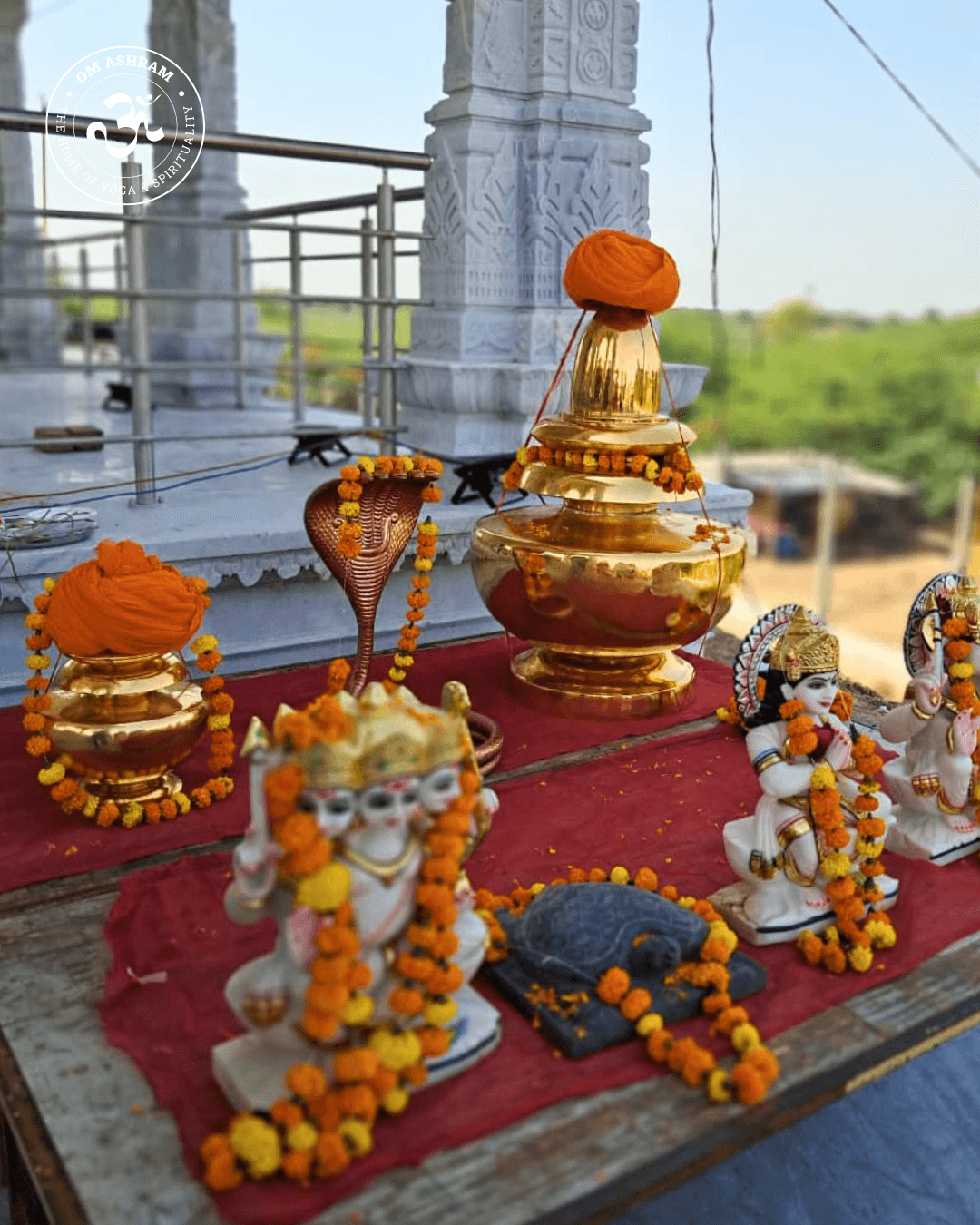
An idol purification (Kutir Hom) followed. The day concluded with the magical Sahasra Deep Dan ceremony for Dev Diwali, where 1,000 oil lamps illuminated the night.
DAY TWO: The Power of Fire
On the second day, energy in the Yagya Shala focused on the sacred fire pit. The Pandits revered Lord Vishwakarma (divine architect) and Agni Narayan (God of Fire), who carries offerings to the heavens.
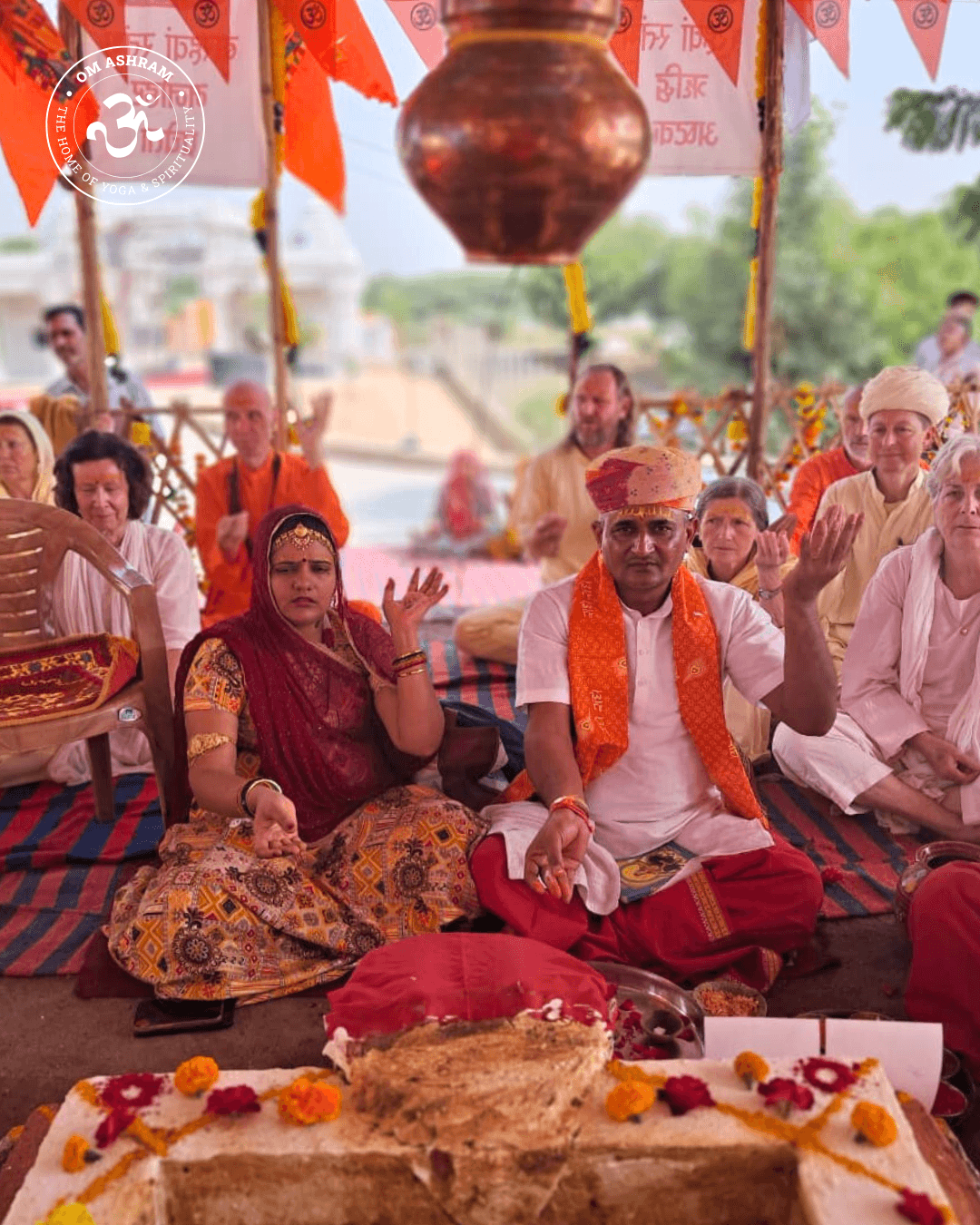
Graha Shanti Havan: Balancing the Planets
The first ritual was the Graha Shanti Havan, a fire ritual for planetary peace.
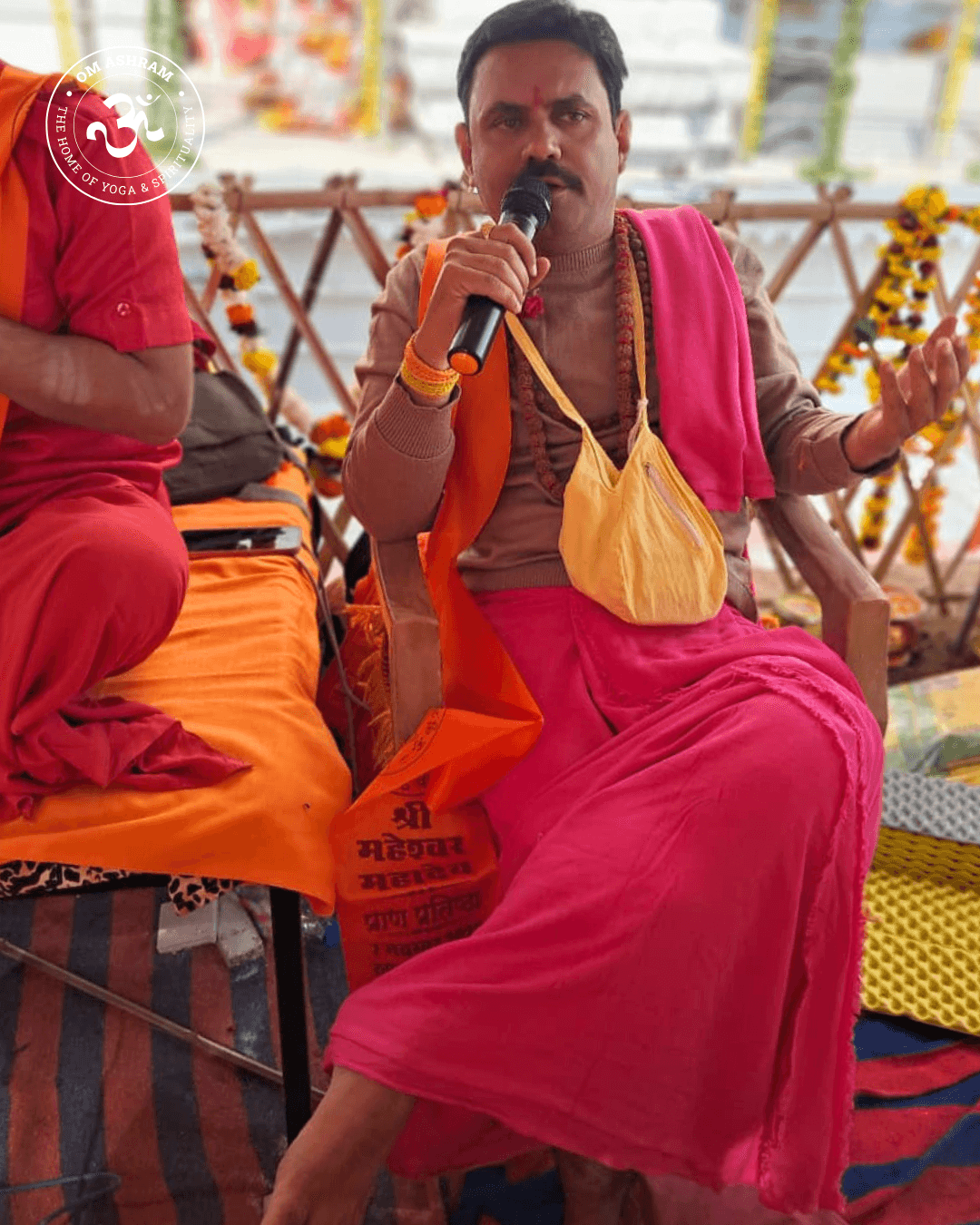
Patrons, pandits, and all devotees made offerings to neutralize adverse astrological effects, praying for health and prosperity.
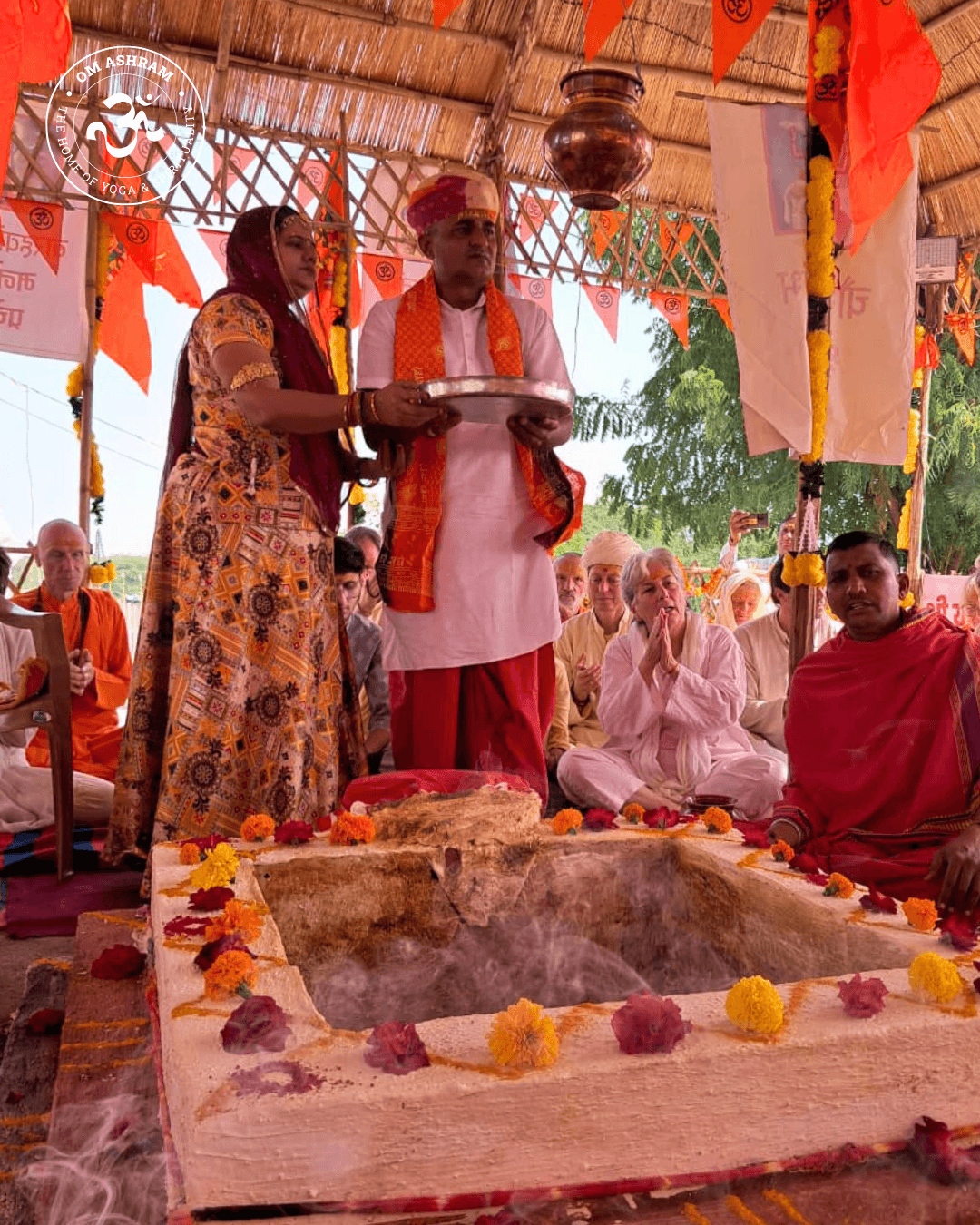
Laghu Rudra Havan: 108 Herbs for Lord Shiva
The highlight was the Laghu Rudra Havan. It is a concise fire ceremony to invoke and worship Lord Rudra (another name for Lord Shiva) to seek his blessings, remove obstacles, and attain peace and prosperity.
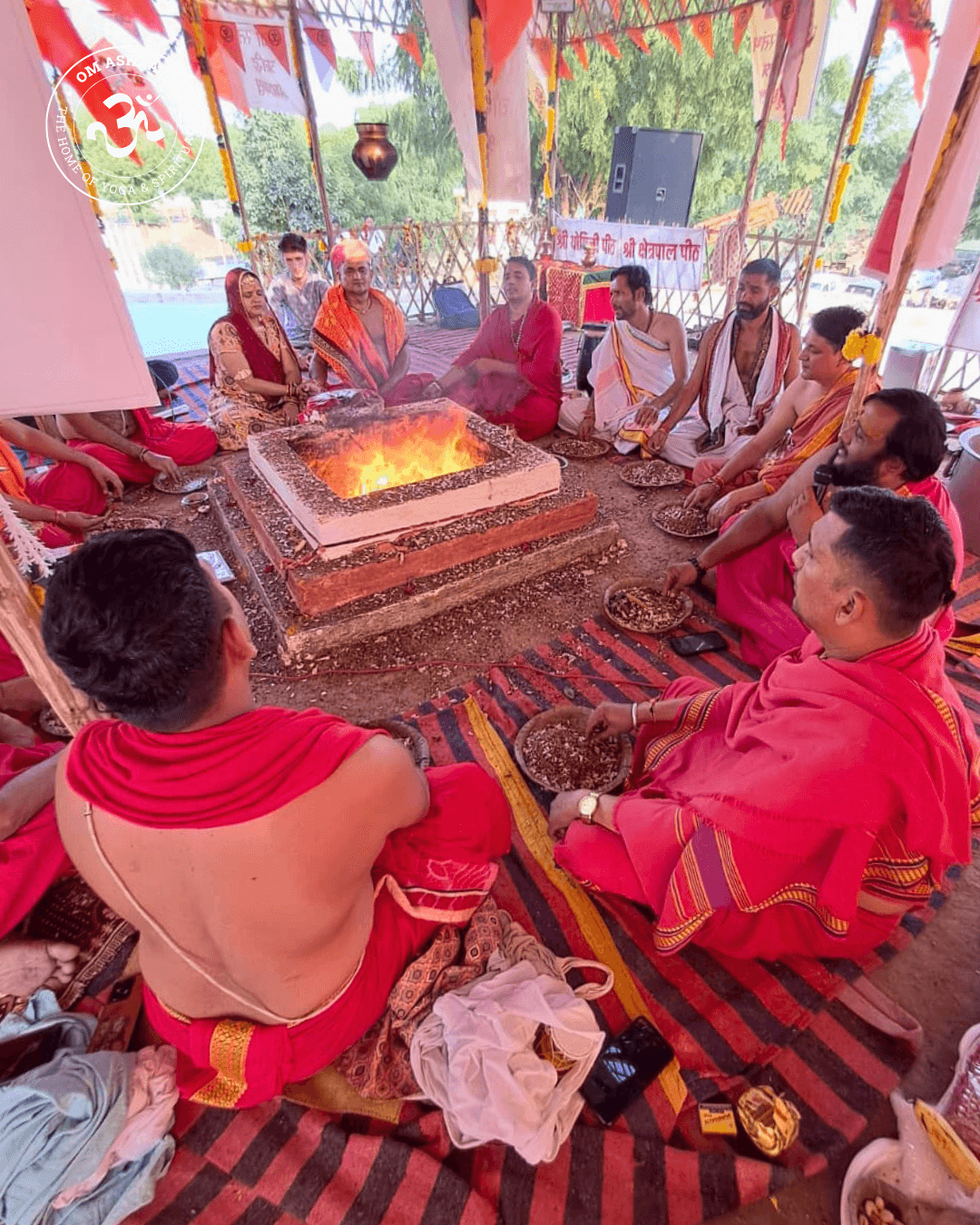
Chanting Vedic mantras, the ritual was repeated 121 times by 11 pandits. 108 specific medicinal herbs from Bengaluru, dear to Lord Shiva, were offered into the fire.
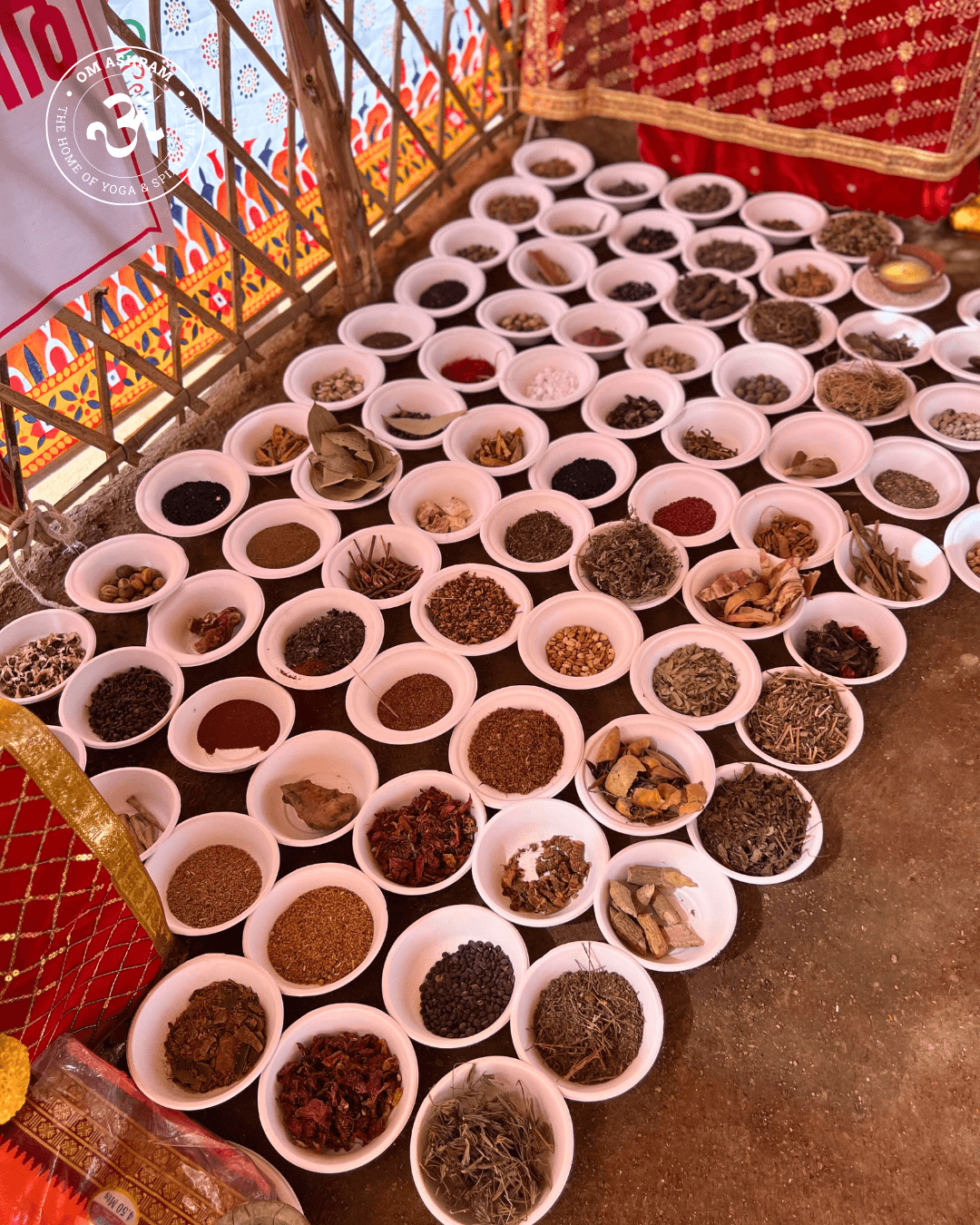
This prayed for excellent health and the grace of Lord Mahamrityunjay (Conqueror of Death).
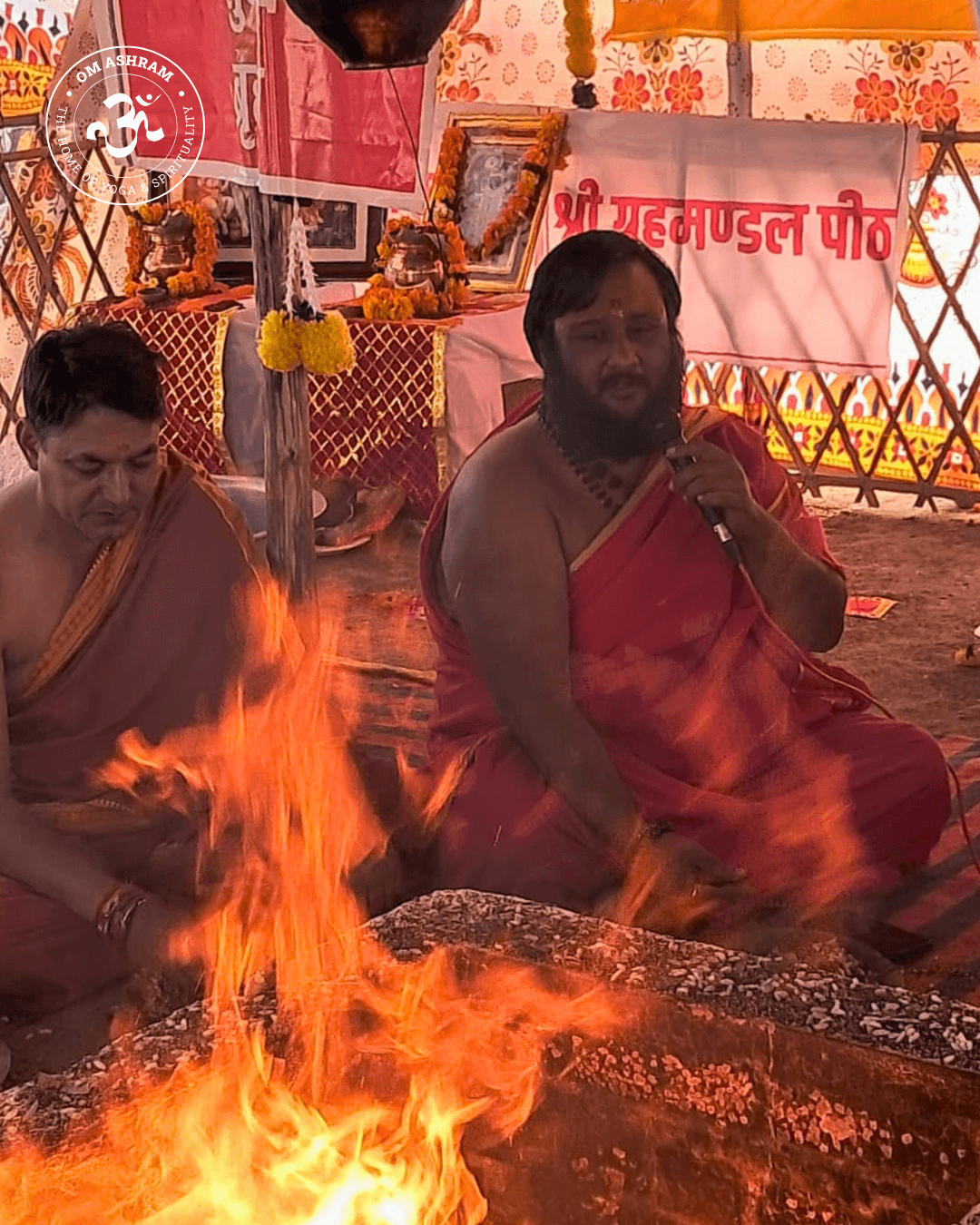
This ritual created a powerful, fiery energy in the Yagya Shala.
Outside the Yagya Shala: Preparing the Divine Idols
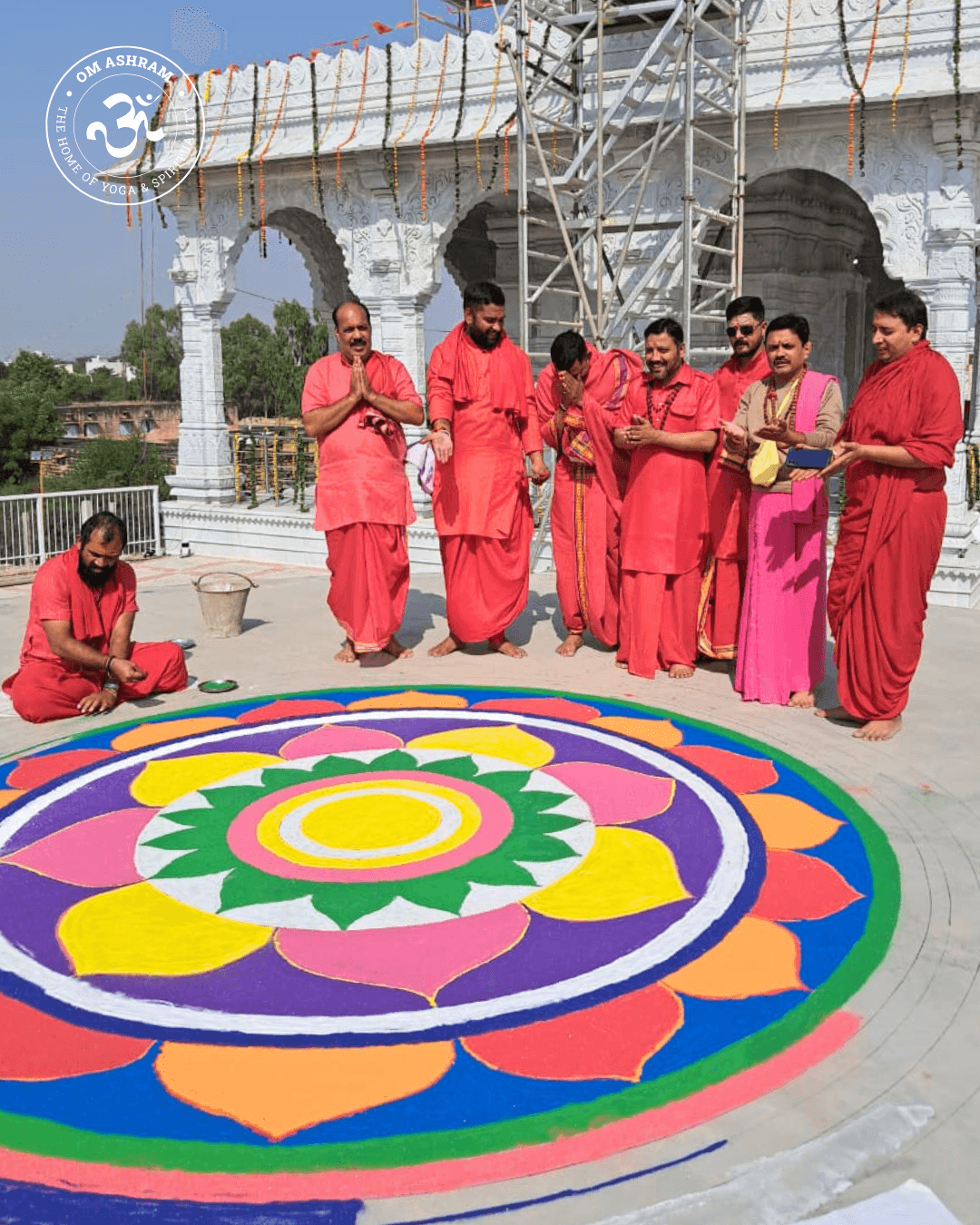
After the powerful fire rituals, a sacred bath (Snapan Karma) purified the temple's pinnacle and divine idols.
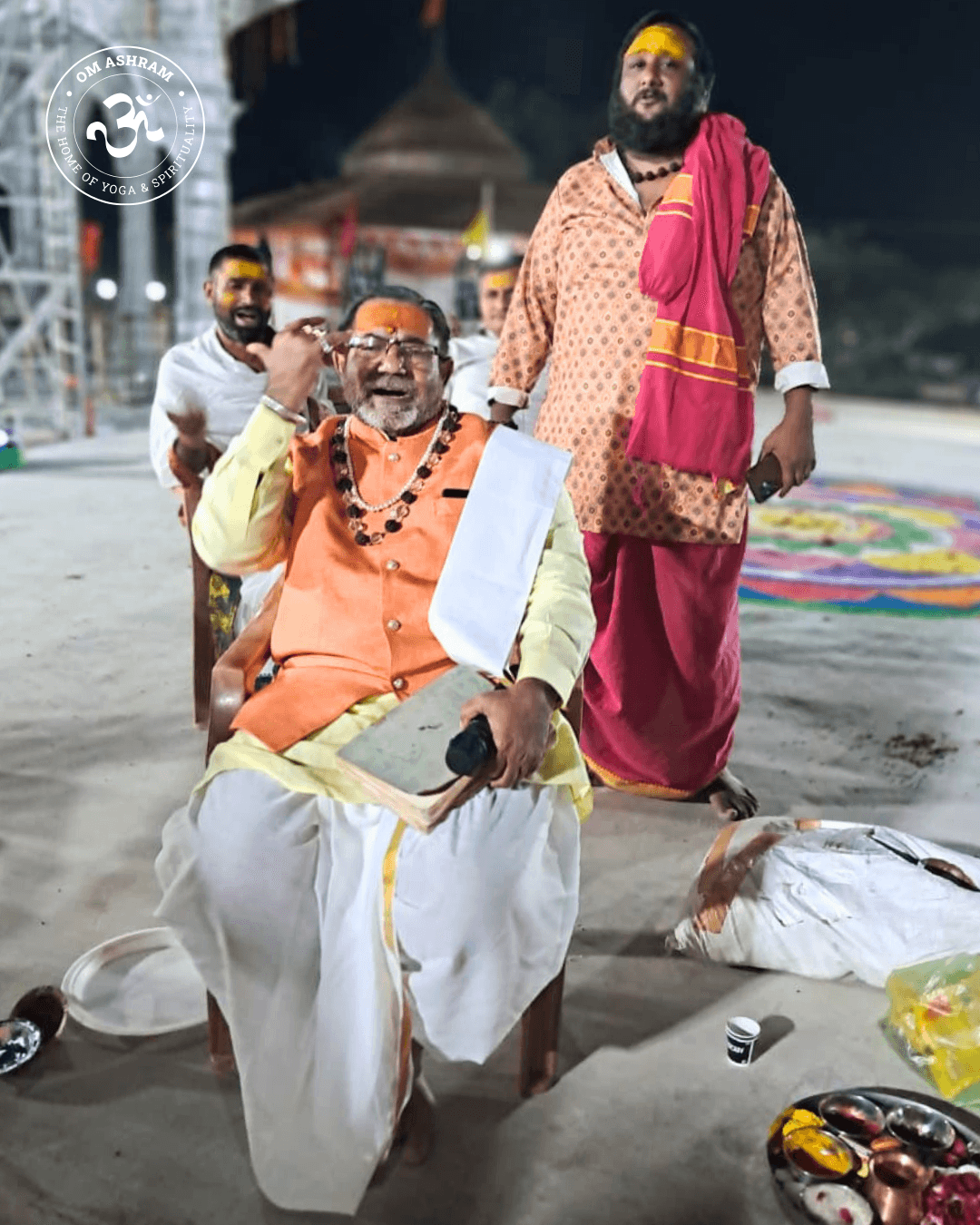
Chanting vedic mantras
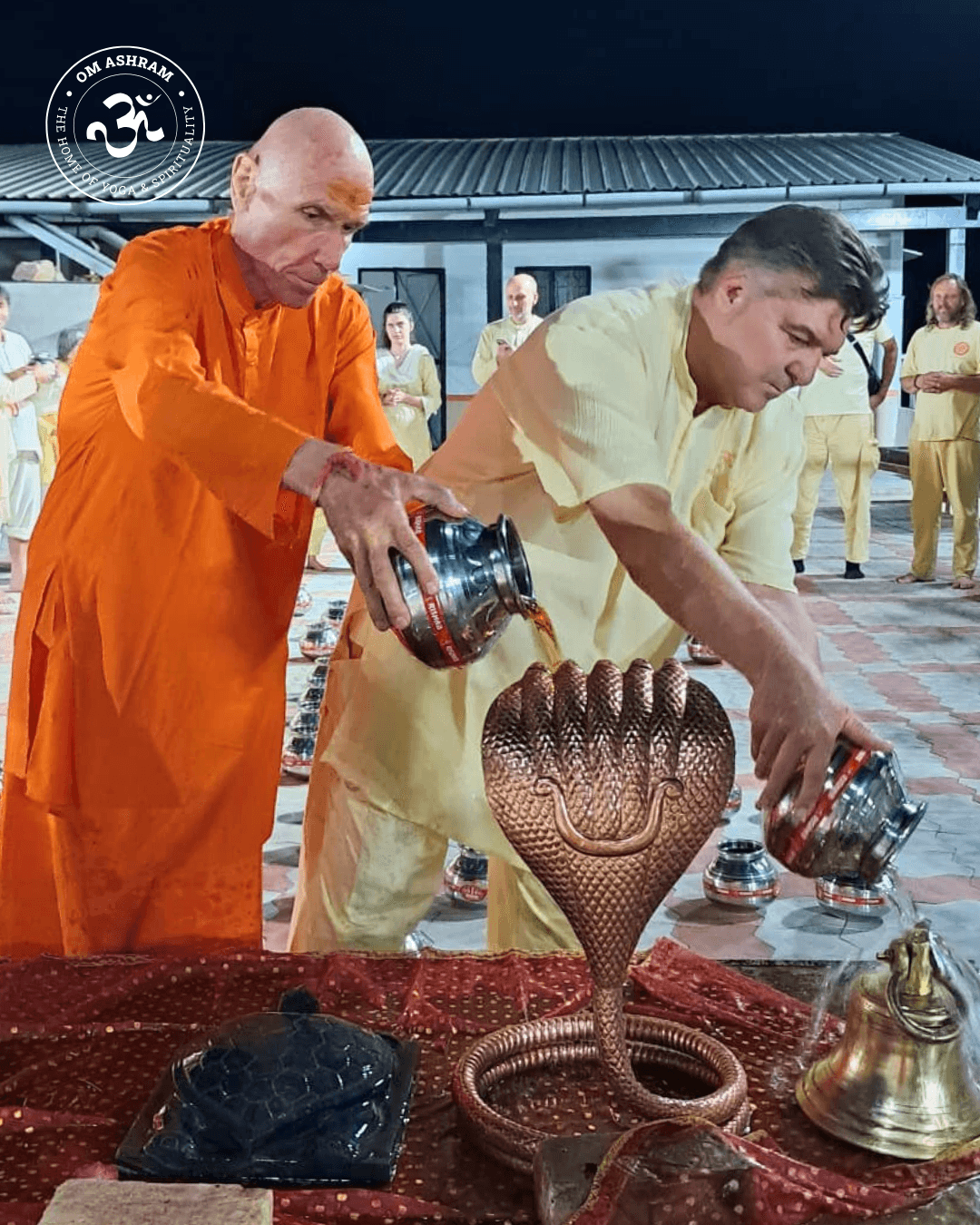
251 sacred vessels (Kalash) held a mixture of 108 rare herbs, nine precious gems, seven sacred soils, and cow products, purifying and preparing the idols for the final day.
DAY THREE: The Grand Awakening and Divine Manifestation
The third day marked the spiritual climax within the Yagya Shala. It began with Dev Uthapan, a ceremony to "awaken" the deities with auspicious songs and music, preparing them for final manifestation.
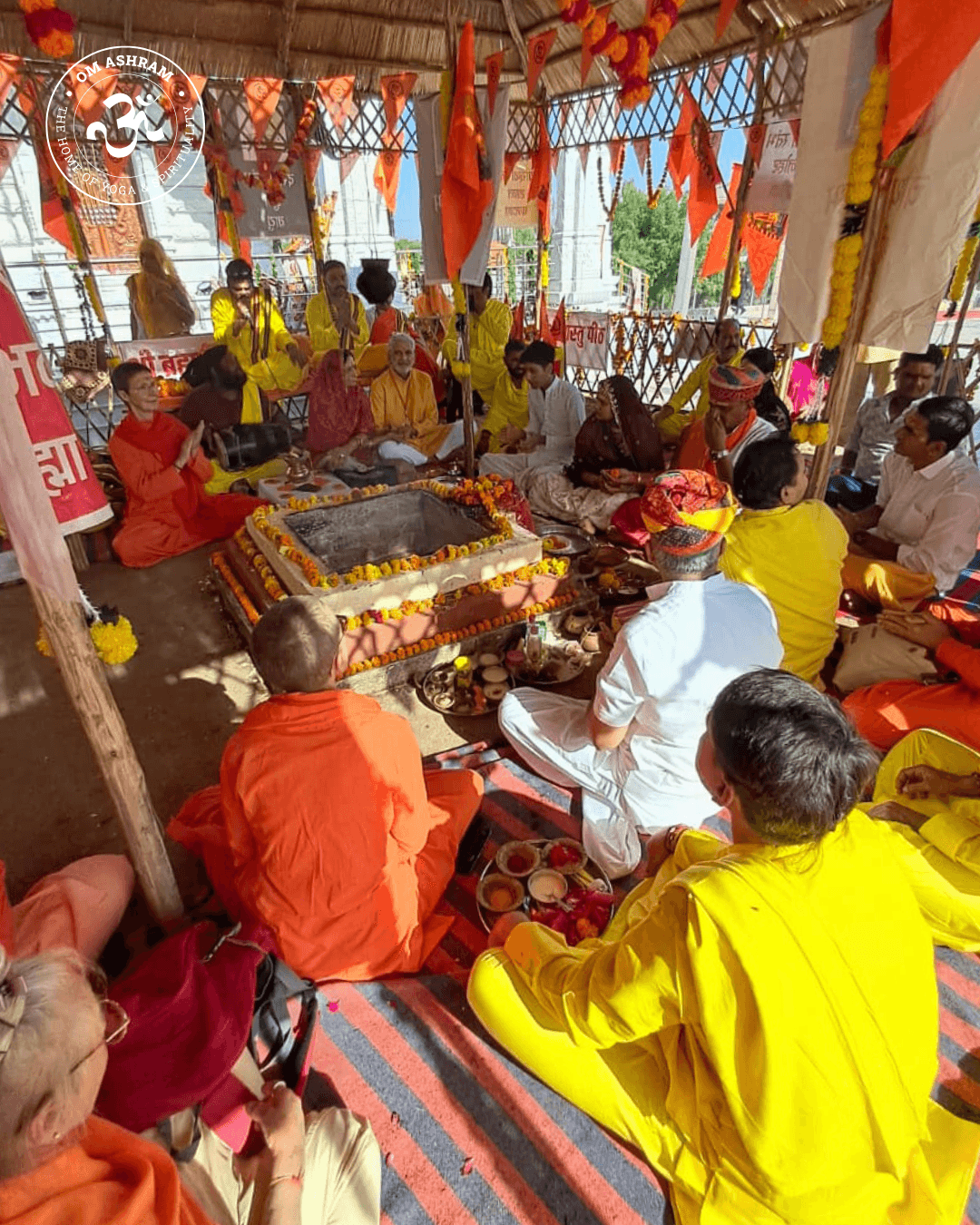
Final, comprehensive fire rituals followed for various spiritual forces:
• Hanuman Ji: Strength and devotion.
• Navanag: Protection and prosperity.
• Bhumi Adhipati: Blessing and stability of the land.
With these rituals complete, everything was ready for the grand finale.
The Final Moment: Pran Pratishtha
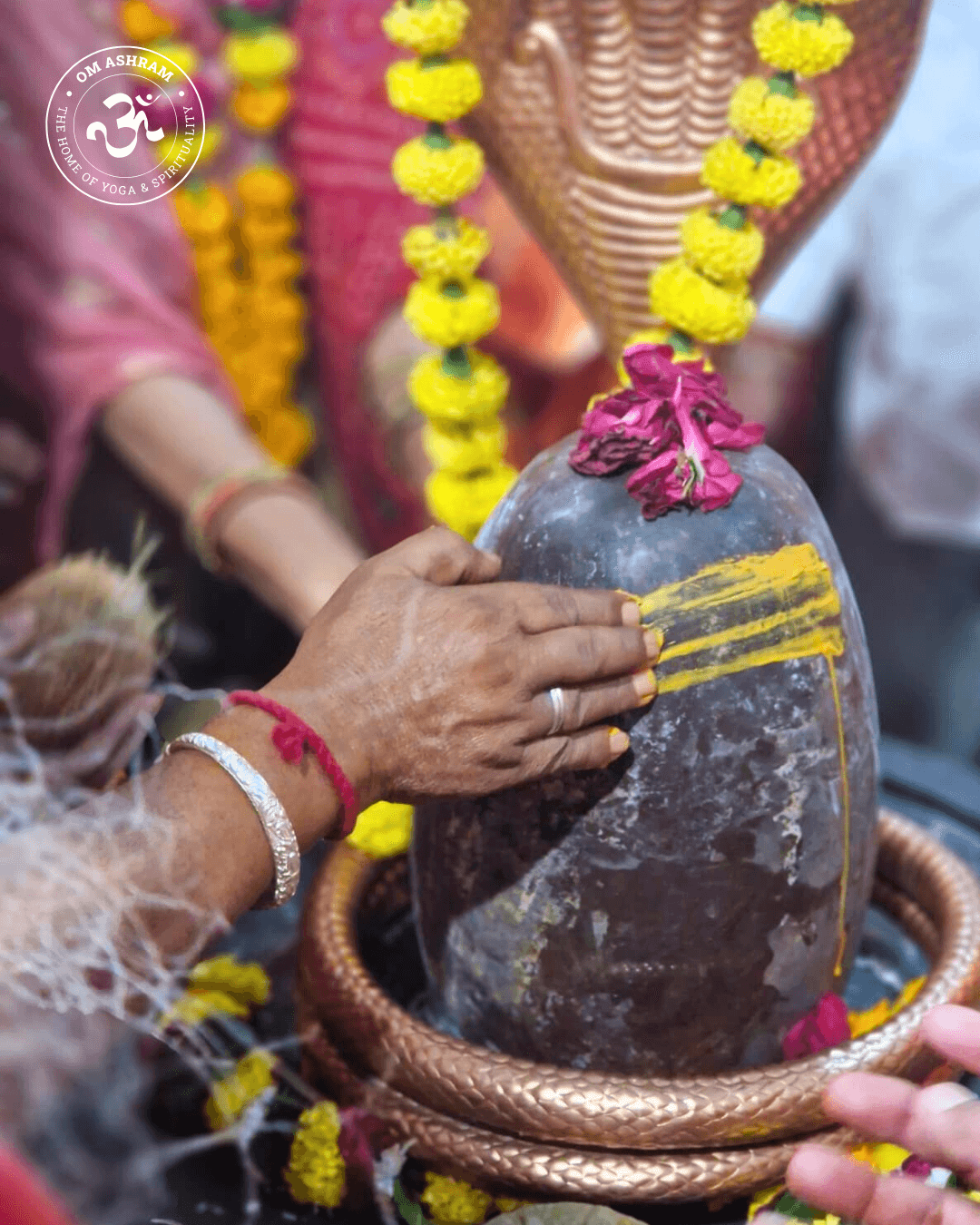
All three days culminated in the pivotal Pran Pratishtha (final opening ceremony). Here, the immense cosmic energy generated in the Yagya Shala was transferred to the temple idols. With final offerings and mantras, the stone images transcended material form to become living embodiments of the Divine.
Conclusion: The Enduring Legacy of the Yagya Shala
The Yagya Shala was the undisputed spiritual heart of the Rupawas consecration. Functioning as a powerhouse, it generated and channeled cosmic energy daily. This potent divine force permeated every aspect of the celebration, culminating in the Pran Pratishtha, where idols transformed into living embodiments of the Divine.
The Yagya Shala's sacred work ensured the new temple is a vibrant, living abode radiating spiritual energy.
🙏 We warmly invite you to visit the newly inaugurated Maheshwar Mahadev Mandir in Rupawas, Sojat, Rajasthan. Experience the divine presence, feel the powerfully awakened spiritual energy, and offer your prayers in this sacred space that has truly come alive. Har Har Mahadev! 🙏

OTHER ARTICLES
ॐ आश्रम में 1,008 भगवान शिव की दिव्य एवं भव्य प्रतिमाओं के दिव्य दर्शन

A Wall of 1008 Lord Shivas: A Monument to Devotion
योग की परिवर्तनकारी यात्रा का अनावरण: मन, शरीर और आत्मा

शरीर और मन में सामंजस्य: योग की परिवर्तनकारी शक्ति

शीर्षक: योग की शांत कला: संतुलन एवं सामंजस्य का दिव्य मार्ग

भीतर की शांति को खोलना: योग का सार

योग की खोज: आंतरिक शांति और शक्ति की एक यात्रा

आधुनिक कल्याण और शांति के लिए योग की प्राचीन प्रथा को अपनाना

विश्वगुरुजी का शिव मंदिर में विशेष आगमन

माण्डूक्य उपनिषद् में ॐ

विश्वगुरुजी ॐ आश्रम में

होलिका दहन उत्सव

चैत्र नवरात्रि उत्सव

Chaitra Navratri Celebration
हनुमान जयंती उत्सव


OTHER ARTICLES
योग की खोज: आंतरिक शांति और शक्ति की एक यात्रा
Mar, 24 2024
विश्वगुरुजी का शिव मंदिर में विशेष आगमन
Aug, 11 2024
माण्डूक्य उपनिषद् में ॐ
Sep, 02 2024
विश्वगुरुजी ॐ आश्रम में
Dec, 28 2024
होलिका दहन उत्सव
Mar, 13 2025
चैत्र नवरात्रि उत्सव
Apr, 24 2025
Chaitra Navratri Celebration
Mar, 30 2025
हनुमान जयंती उत्सव
Apr, 12 2025